In the world of injection molding, whether for standard plastic parts or more specialized processes like metal injection molding, the cleanliness of your tools plays a critical role in ensuring consistent part quality, minimizing downtime, and prolonging the lifespan of your molds.While traditional cleaning methods like wiping down molds with a rag and solvent might work for light maintenance, high-tech methods like ultrasonic cleaning, dry ice blasting, and laser cleaning take mold care to the next level. These advanced techniques offer more precision, efficiency, and longer-lasting results. Let’s dive into the science behind these methods and how you can apply them in your own operation.
1. Ultrasonic Cleaning: The Power of Sound Waves
How It Works:
Ultrasonic cleaning uses high-frequency sound waves (typically around 20 kHz or higher) to create microscopic bubbles in a liquid cleaning solution. These bubbles rapidly expand and collapse, a process known as “cavitation,” which generates tiny, high-energy shock waves that scrub away dirt, grease, and residues from the mold surface.
Why It’s Effective:
-
Precision Cleaning: The ultrasonic waves can reach even the smallest, most intricate areas of a mold that might be missed with traditional cleaning tools.
-
Gentle on Tools: The cleaning process is non-abrasive, so it won’t damage delicate mold surfaces, which is especially important for high-precision molds.
-
Time-Saving: It’s fast—molds can be cleaned in 10 to 20 minutes depending on the size and level of contamination.
How to Apply It:
-
Step 1: Before placing your mold in the ultrasonic bath, remove any large debris with compressed air.
-
Step 2: Place the mold in the ultrasonic tank filled with a suitable cleaning solution, and set the temperature to about 40-60°C.
-
Step 3: Let the ultrasonic waves work their magic. After cleaning, thoroughly dry the mold to prevent any moisture-related damage.
2. Dry Ice Blasting: Clean Without Leaving a Mess
How It Works:
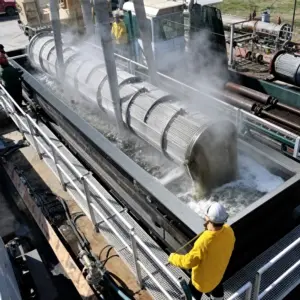
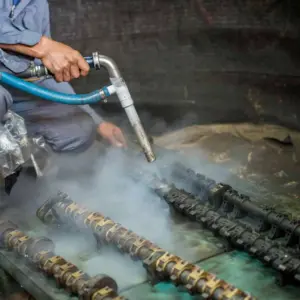
Dry ice blasting uses solid CO2 pellets that are accelerated by high-pressure air and blasted onto the mold. When the dry ice pellets hit the surface, they rapidly sublimate (turn from solid to gas), creating a small impact force that lifts contaminants off the surface without damaging the mold itself.
Why It’s Effective:
-
Non-Abrasive: Since dry ice doesn’t physically touch the mold surface, it won’t wear down or damage delicate features.
-
Eco-Friendly: The process uses no water or harsh chemicals. The only byproduct is harmless CO2 gas.
-
Highly Efficient: It’s great for removing oils, plastic residue, and carbon buildup quickly and without leaving any secondary waste behind.
How to Apply It:
-
Step 1: Position the mold correctly, ensuring the surface is accessible for the dry ice stream.
-
Step 2: Direct the dry ice stream at the mold surface, adjusting the distance and angle for optimal impact.
-
Step 3: After cleaning, make sure the mold is free of any leftover CO2 or dry ice particles.
3. Laser Cleaning: High Precision for Tough Contaminants
How It Works:
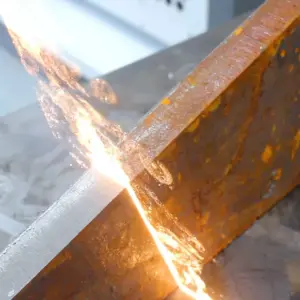
Laser cleaning uses high-intensity laser beams to remove contaminants from the mold surface. When the laser hits the contamination, it rapidly heats the particles, causing them to expand and break free from the surface. The process is incredibly precise and can target specific areas without affecting the rest of the mold.
Why It’s Effective:
-
Super Precise: Laser cleaning is perfect for removing tough residues like oxides, oils, or paint without affecting the mold material.
-
Non-Contact: Since the process is purely optical, there’s no physical contact with the mold, preventing any wear or scratching.
-
No Chemicals Needed: It’s a chemical-free process that’s more environmentally friendly than many traditional methods.
How to Apply It:
-
Step 1: Set the laser power and frequency based on the type of contamination and material of your mold.
-
Step 2: Direct the laser beam at the affected area, moving it in a controlled manner across the mold surface to clean effectively.
-
Step 3: Once cleaning is complete, inspect the mold surface for any leftover contaminants.
4. High-Pressure Water Cleaning: Ideal for Heavy Residue
How It Works:
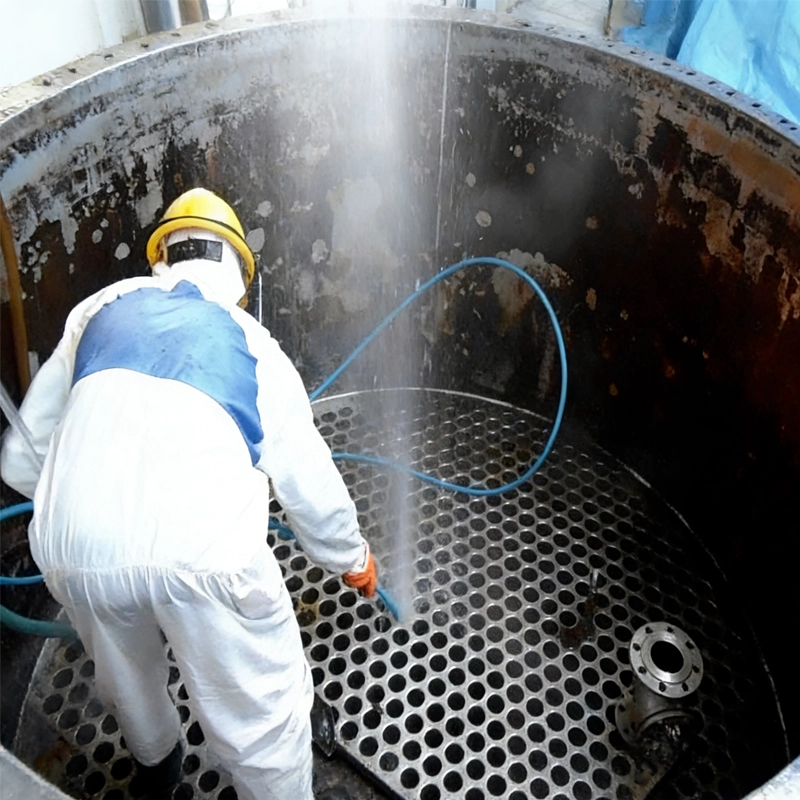
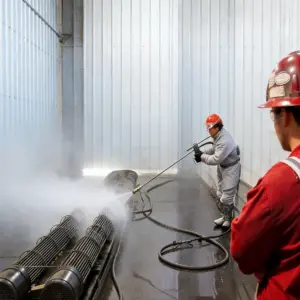
High-pressure water cleaning uses a powerful jet of water (sometimes combined with a detergent or solvent) to remove stubborn contaminants from the surface of molds. The high-speed water stream can break down oil, grease, and plastic residues effectively.
Why It’s Effective:
-
Strong Cleaning Power: High-pressure water is perfect for cleaning large areas or molds that are heavily contaminated with stubborn residues.
-
Minimal Chemical Use: With the right setup, you can clean effectively with water alone, which is safer for both workers and the environment.
How to Apply It:
-
Step 1: Position the mold securely and adjust the spray nozzle to avoid damaging sensitive mold components.
-
Step 2: Use the high-pressure water to wash away larger contaminants, working your way over the entire mold.
-
Step 3: After cleaning, make sure the mold is thoroughly dried to avoid any rust or corrosion from lingering water.
5. Chemical Vapor Cleaning (CVC): For the Most Delicate Residues
How It Works:
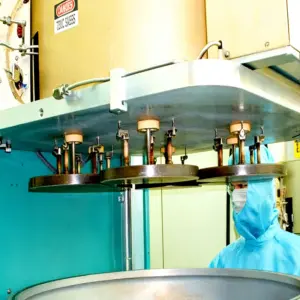
Chemical vapor cleaning (CVC) uses vaporized solvents to remove contaminants from the surface of molds. The solvent gas permeates every part of the mold, including hard-to-reach cavities and microcrevices, breaking down and lifting away residues.
Why It’s Effective:
-
Thorough Cleaning: CVC is ideal for molds with complex geometries that are difficult to clean with traditional methods.
-
Effective for Microscopic Contaminants: It’s especially good for cleaning fine residues, oils, or organic contaminants from molds.
How to Apply It:
-
Step 1: Place the mold in a chamber designed for chemical vapor cleaning.
-
Step 2: Select an appropriate solvent and vaporize it within the chamber at the correct temperature.
-
Step 3: Once the cleaning cycle is complete, remove the mold and inspect it for cleanliness.
Conclusion: High-Tech Cleaning for Long-Lasting Molds
Choosing the right cleaning method is crucial for maintaining the performance and longevity of your injection molds. High-tech cleaning solutions like ultrasonic cleaning, dry ice blasting, and laser cleaning not only improve efficiency but also reduce wear on your tools, saving you money in the long run.
At PlantMetal, we stay at the forefront of technology to help you optimize your manufacturing processes. From precision mold designs to advanced cleaning methods, we’re committed to providing you with the best tools and support for a smoother, more efficient operation.