
At Plantmetal, a precision manufacturing factory and trusted partner to global suppliers, we evaluate surface finishes daily to match part function, cost, and lifecycle. Choosing between black oxide and zinc plating for CNC parts depends on corrosion resistance needs, wear behavior, dimensional sensitivity, appearance, and downstream processing. This guide compares both finishes, highlights pros and cons, and gives practical selection criteria for B2B buyers and engineers.
Is black oxide better than zinc plated?
Short answer: it depends. Black oxide (chemical conversion coating) and zinc plating serve different purposes:
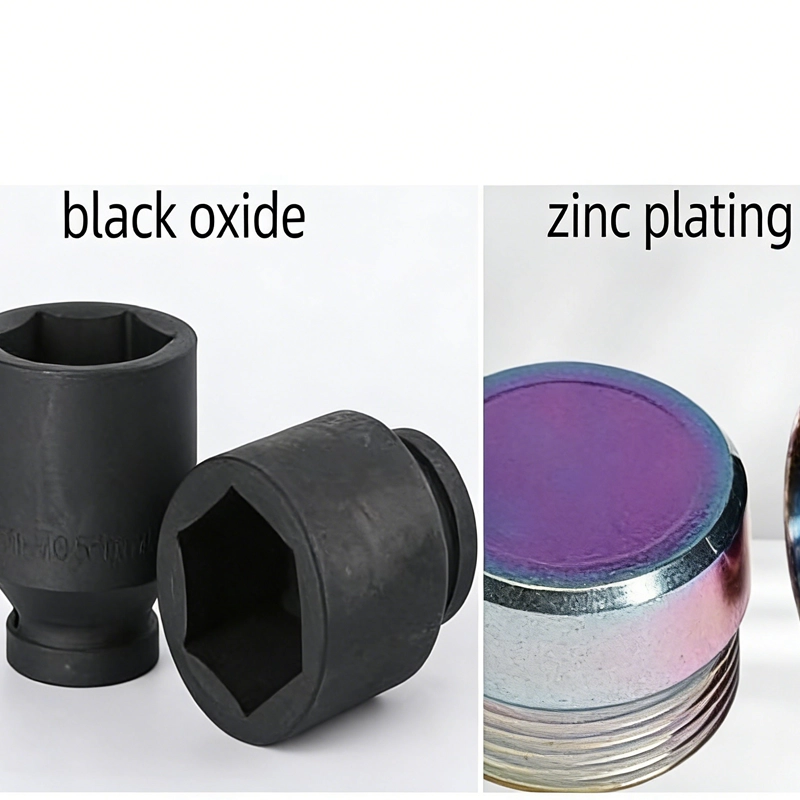
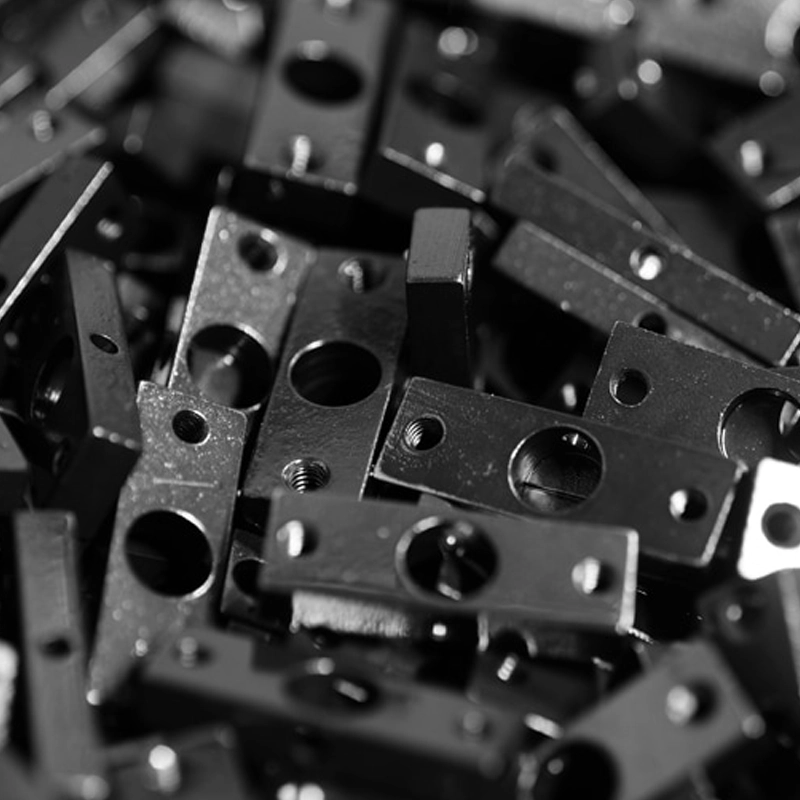
- Black oxide is primarily a cosmetic and friction-control finish that provides mild corrosion resistance when paired with oil or topcoat. It’s thin (microns), dimensionally stable, and excellent where tolerance retention and low gloss are important.
- Zinc plating (electroplated zinc — bright or clear passivated) provides substantially higher corrosion protection in typical atmospheric environments, especially when combined with chromate or trivalent passivates or organic topcoats. Zinc is sacrificial — it corrodes preferentially to protect the steel substrate.
If you need stronger rust protection for outdoor, humid, or salty environments, zinc plating is usually the better choice. If you need a low-build, matte black finish that preserves tight dimensions and reduces light reflection — or a base for black conversion topcoat — black oxide may be preferable.
What are the advantages and disadvantages of black oxide coating?
Vorteile
- Minimal thickness: typically ~0.5–2 µm, so it preserves tight dimensional tolerances and fits.
- Low cost and fast processing: economical for high-volume runs.
- Matte black appearance: useful for optics, stealthy aesthetics, and reduced glare.
- Improved lubricity and break-in behavior: when used with oil or wax, black oxide can reduce friction and galling on sliding parts.
- Good adhesion base: paint or powder coatings adhere well over black oxide.
Disadvantages
- Limited corrosion protection by itself: requires post-oil, wax, or a clear topcoat for acceptable rust resistance.
- Not suitable for highly corrosive or marine environments without additional coatings.
- Chemical process control required: bath chemistry and steel chemistry affect finish quality; not universal across all steels.
Use black oxide for internal parts, close-tolerance assemblies, tooling components, and decorative matte finishes where heavy corrosion exposure is unlikely.
What are the advantages and disadvantages of zinc plating?
Vorteile
- Strong corrosion protection: zinc provides sacrificial protection that works well in many outdoor and industrial environments.
- Versatile appearance: available as bright, matte, or chromate-converted colored finishes (clear, yellow, black).
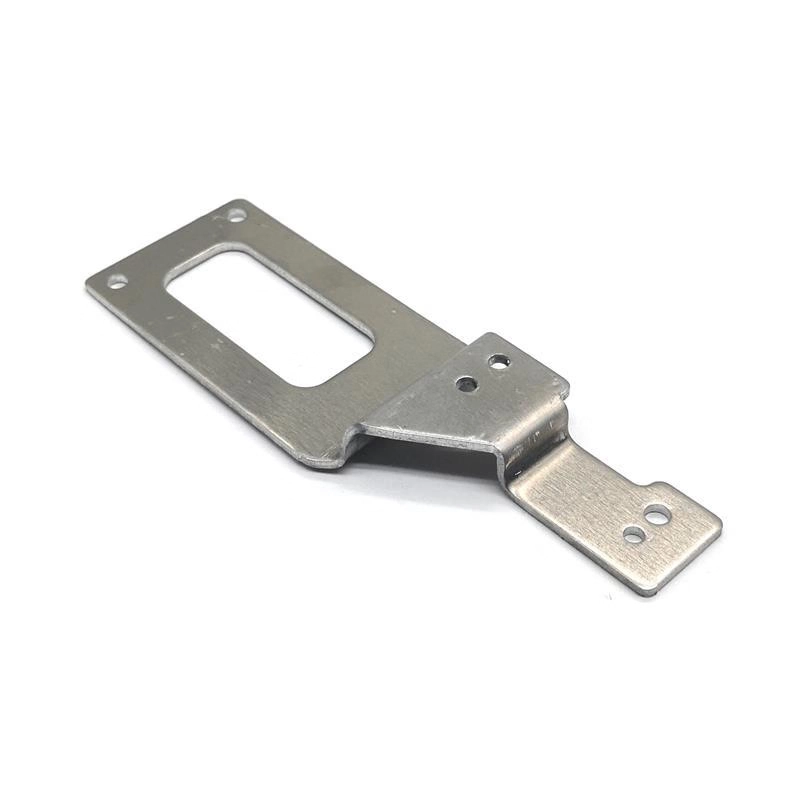
- Good for fasteners and assemblies: widely used for bolts, nuts, brackets, and housings where rust prevention is critical.
- Cost-effective at volume: economical for many applications with established plating lines.
Disadvantages
- Build-up on dimensions: typical thicknesses range from 5–25 µm — may require post-plating machining or allowance in initial design for tight tolerances.
- Hydrogen embrittlement risk: steel parts, especially high-strength alloys, require proper baking and stress-relief to mitigate hydrogen embrittlement after electroplating.
- Environmental and disposal considerations: traditional chromate passivation uses hexavalent chromium (now largely phased out); trivalent chemistries and clear passivates are common but must be specified.
- Wear resistance: zinc is softer than many steels — for sliding wear applications, topcoats or platings like nickel or hard chrome may be preferred.
Choose zinc plating for corrosion-prone applications, exterior components, and common hardware — while accounting for dimensional allowances and hydrogen embrittlement controls.
What is the primary concern when applying black oxide coatings?
The single biggest practical concern with black oxide is assuming it provides the same corrosion protection as metal plating. Black oxide is not a barrier coating — it changes the surface chemistry of the steel and relies on an oil, wax, or polymer topcoat to deliver meaningful rust resistance. Engineers must specify post-treatment (e.g., oil dip, corrosion-inhibiting topcoat, or conversion to black zinc) and include performance metrics such as salt-spray hours (ASTM B117) if environmental resistance is required.
Other concerns:
- Steel grade compatibility: black oxide works best on specific low-carbon steels; stainless steels require different chemistries or blackening processes.
- Process control: bath life, temperature, and cleaning steps are critical to consistent results.
- Functional expectations: if the application expects sacrificial protection or frequent wash-down, black oxide alone will fail.
Conclusion
Both black oxide and zinc plating have defined roles in CNC-part finishing. Black oxide excels where dimensional integrity, matte aesthetics, and improved lubricity are priorities and where mild corrosion protection is sufficient with oil or topcoat. Zinc plating is the go-to for robust corrosion protection in harsher environments but requires design allowances for coating thickness and attention to hydrogen embrittlement mitigation.
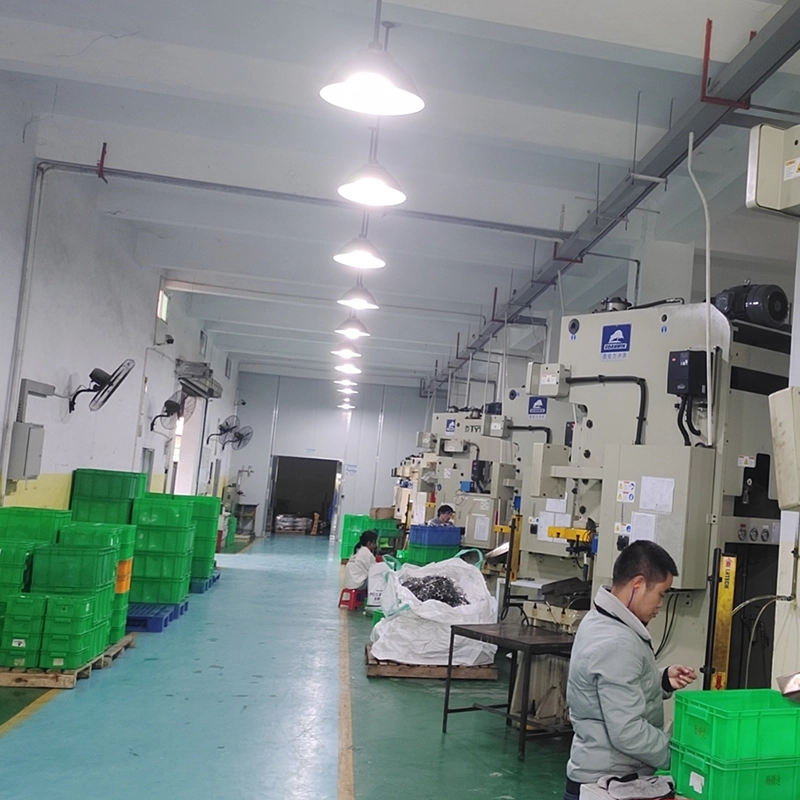
At Plantmetal, we provide end-to-end support — from material selection and design allowances to surface finishing, testing, and supply-chain coordination — as a true one-stop service for manufacturers and suppliers. If you need advice on finish selection, tolerance compensation, or a costed proposal for production runs, contact Plantmetal today. We’ll evaluate your part requirements and recommend the optimal finish strategy that balances performance, cost, and manufacturability.