
At Plantmetal, a precision manufacturer and tooling factory serving semiconductor OEMs and global suppliers, we produce high-performance lead frames and offer a full one-stop service from design and prototyping through volume production. Lead frames are an essential substrate in semiconductor packaging that mechanically supports and electrically connects the semiconductor die to the external world. This article explains what lead frames are, why they matter, how they’re made, and how to choose the right manufacturing route for your product.
What is a Leitrahmen?
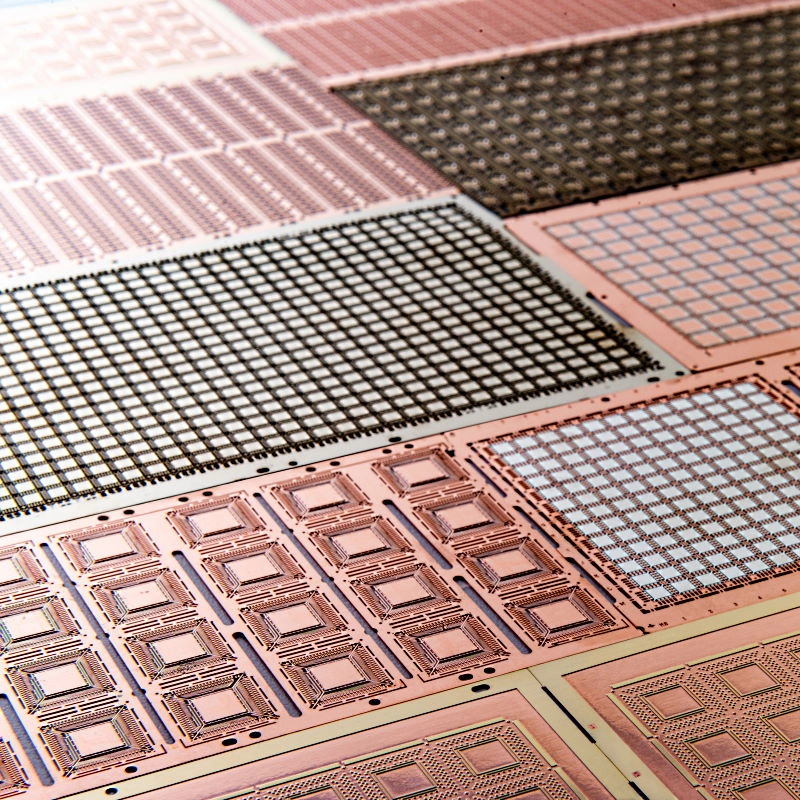
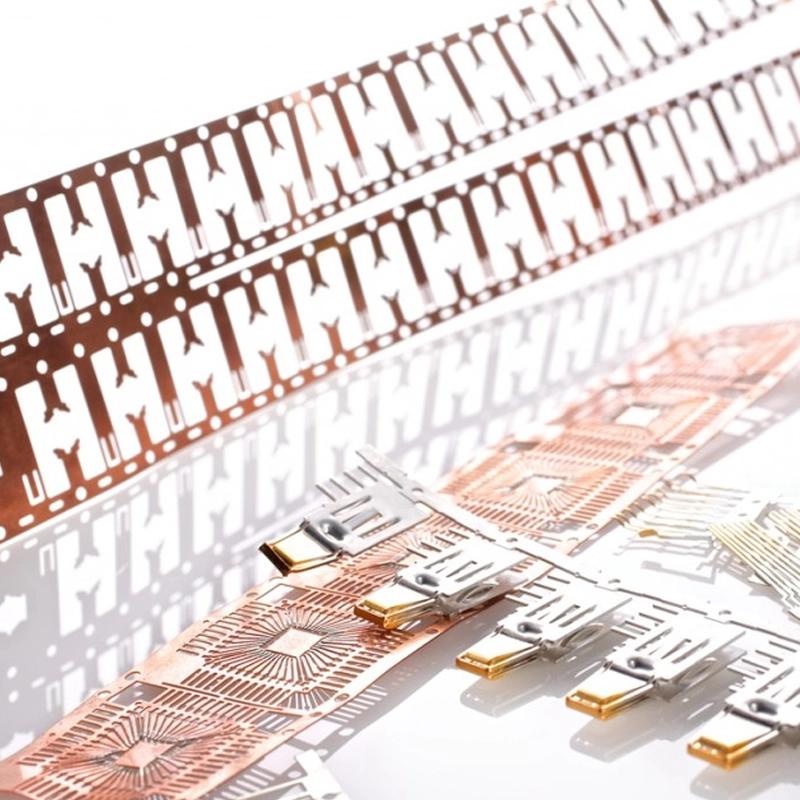
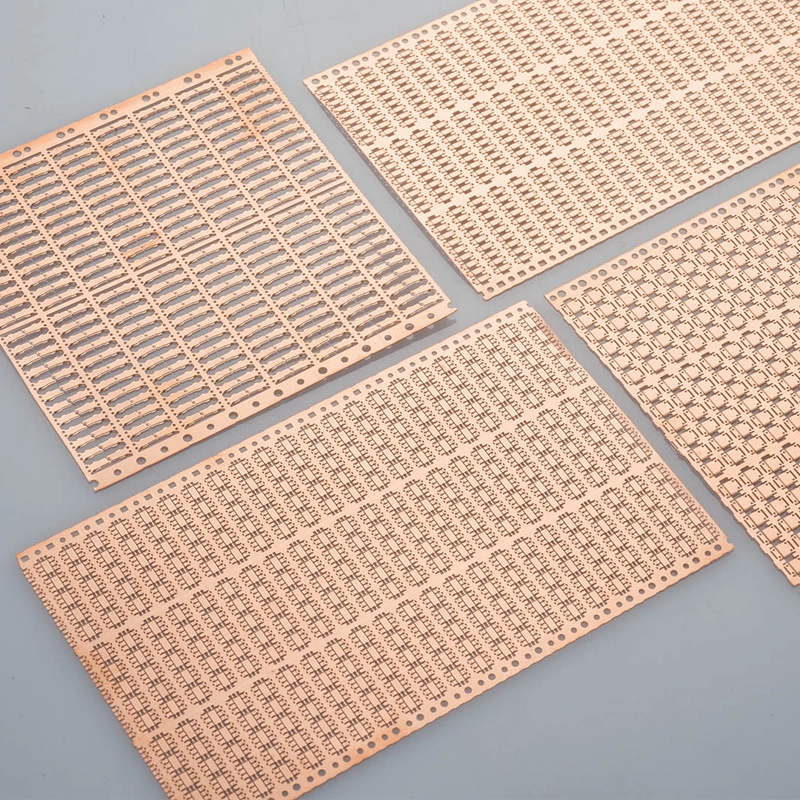
A lead frame is a stamped or etched metal structure that provides electrical pathways between an integrated circuit (the die) and a package’s external leads or pins. The die is mounted to the central paddle (die pad), wire-bonded or flip-chip bonded to the lead fingers, and then encapsulated in resin or molded packaging. The lead frame becomes the package’s external terminals and often contributes to heat dissipation and mechanical support.
Why Lead Frames Are Important in the Semiconductor Industry
Lead frames remain vital because they:
- Deliver robust electrical interconnects with predictable impedance and low contact resistance.
- Provide a cost-effective platform for high-volume packaging (power ICs, discrete semiconductors, and many standard IC packages).
- Enable thermal conduction from the die to the outside environment via exposed pads or plated paths.
- Support diverse packaging formats (SOP, QFN, SOIC, MSOP, power packages) with design flexibility.
Main Functions of Lead Frames in Electronic Components
- Mechanical support for the die during assembly and for the completed package.
- Electrical routing connecting bond pads to package pins.
- Thermal path to remove heat from the die to heatsinks or PCBs.
- Alignment feature for automated assembly and molding.
- Solderability and plating surface for reliable board-level solder joints.
Structure and Components of a Typical Lead Frame
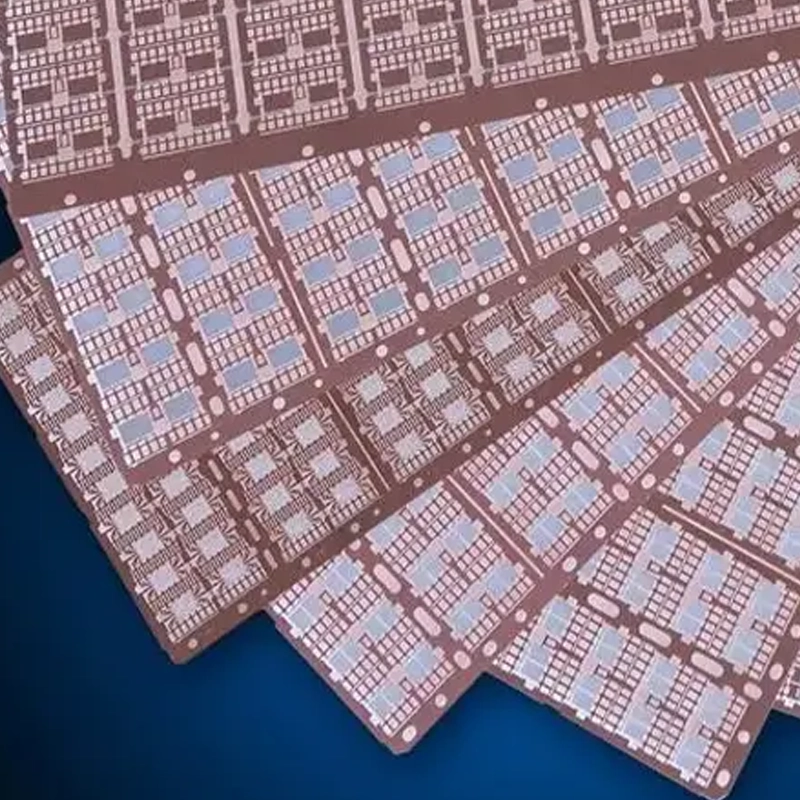
A typical lead frame consists of:
- Die pad (paddle) — central mounting platform for the die.
- Lead fingers (leads) — radial or peripheral conductors that become package pins.
- Tie bars / runners — temporary supports used during stamping/etching to hold the frame geometry; cut away during singulation.
- Strike / frame border — outer carrier removed after molding and singulation.
Lead Frames Manufacturing Process
Two primary manufacturing routes dominate lead-frame production: metal stamping and photochemical etching. Both begin with coil or sheet metal stock and produce arrays of frames that are processed through plating, anneal, and surface treatments before assembly.
Manufacturing Technologies for Lead Frames
Metallstanzen
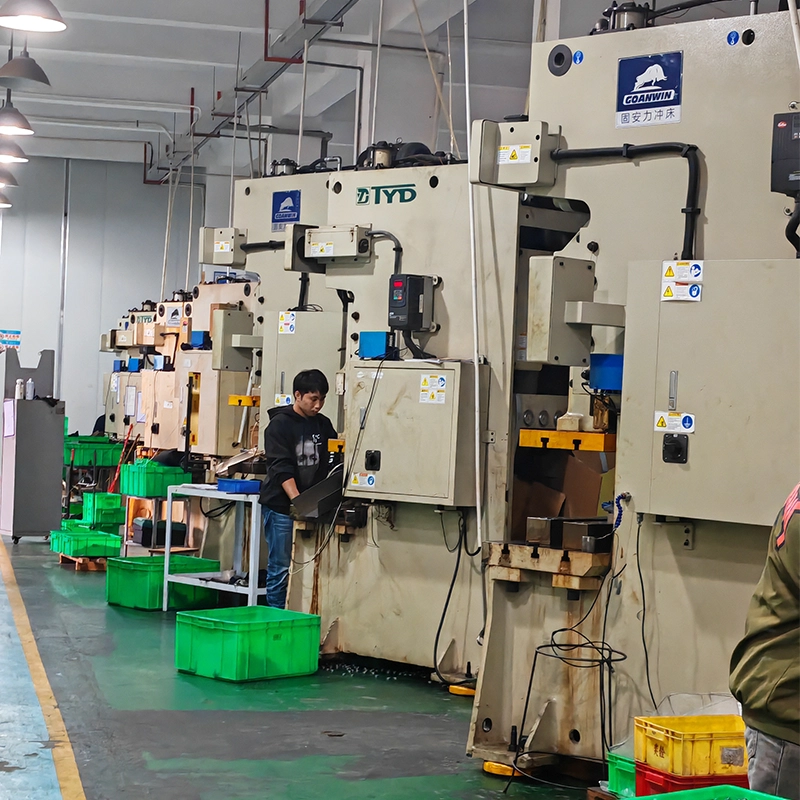
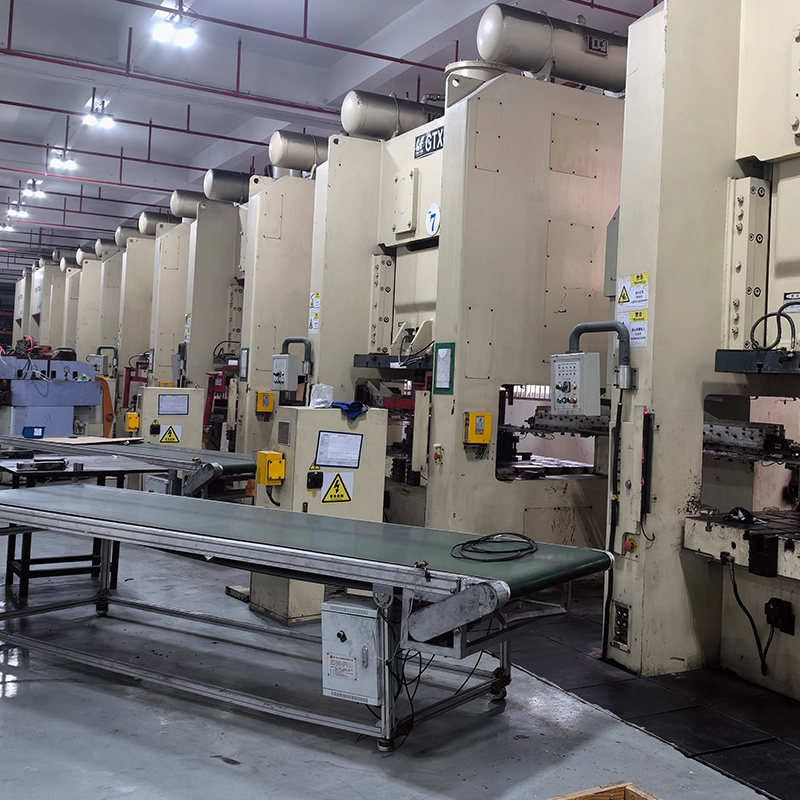
- High-speed stamping is the standard for very large volumes.
- Dies are progressive or transfer type; they form complex geometries in multiple stages.
- Advantages: low unit cost at volume, fast cycle times, and the ability to form 3D features (bends, clips).
- Considerations: substantial upfront die cost, lead time for tooling, and tight control required for miniaturized pitches.
Photochemical Etching
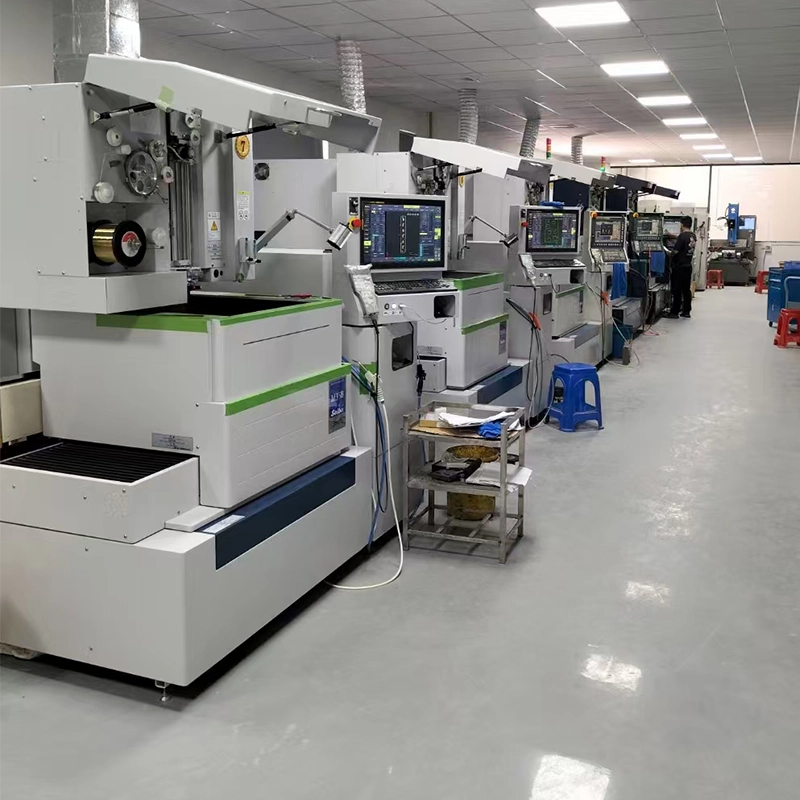
- Also known as chemically etched or photo-etch, this subtractive process patterns thin metal sheets by photolithography and chemical dissolution.
- Advantages: excellent for fine pitch, very thin sections, and rapid tooling (phototool vs machined die).
- Considerations: typically slower throughput than stamping and material thickness limitations; often used for prototypes, small runs, or ultra-fine features.
Comparison of Stamping vs Photochemical Etching
- Volume: stamping preferred for high volumes; etch for low-to-medium volumes or very fine pitch.
- Feature fidelity: etching can produce finer, burr-free edges; stamping can create formed features and bends.
- Cost profile: stamping has higher initial tooling cost but lower unit price at scale; etch tooling is cheaper and faster to iterate.
Base Materials for Lead Frames
Common materials include:
- Copper alloys (Cu-Fe, Cu-Zn) — high thermal and electrical conductivity.
- Alloy 42 (Fe-Ni) — low coefficient of thermal expansion for matched substrates.
- Copper-clad steels and specialized alloys for specific soldering and mechanical properties.
Material selection balances conductivity, thermal behavior, mechanical formability, and cost.
Plating for Lead Frames
Plating improves solderability, corrosion resistance, and bondability. Typical layers:
- Nickel (barrier) + gold (Au) for wire bonding and corrosion protection.
- Silver or palladium options for specific bonding or contact requirements.
- Matte tin (Sn) for economical solderable finishes on certain package types.
Core Plating Layers
A typical stack: base alloy → strike → nickel barrier → final finish (Au, Sn, Ag). Control of thickness and uniformity is critical for reliability and solder joint integrity.
Types of Lead Frames
Lead frames vary by package and functionality:
- Leaded packages (SOP, DIP) — traditional pin rows.
- Leadless packages (QFN, DFN) — exposed pads and perimeter lands for high thermal performance.
- Power lead frames — heavy copper, thicker paddles, and dedicated thermal vias.
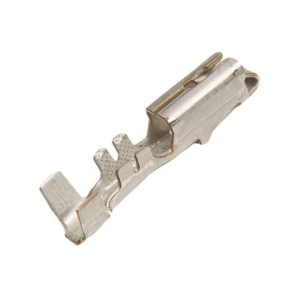
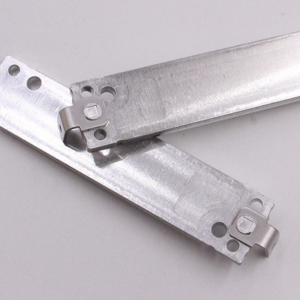
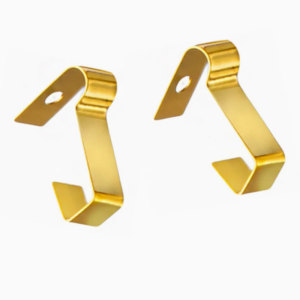
- Formed lead frames — stamped and bent for connectors or specialized assemblies.
Industrial Applications of Lead Frames
Lead frames are used across industries: consumer electronics, automotive power modules, industrial controls, LED lighting, telecommunications, and medical devices. Their ubiquity is tied to cost efficiency and proven thermal/electrical performance.
Why Choose Plantmetal for Lead Frame Manufacturing
Plantmetal provides:
- Deep experience in both stamping and etching technologies.
- Integrated one-stop service: material sourcing, tool design, plating lines, and assembly-ready parts.
- Expertise producing custom lead frame designs for emerging package types and quick prototyping for suppliers and OEMs.
- Robust quality systems, traceability, and supplier-level documentation to support regulated industries.
Conclusion
Lead frames remain a foundational element of semiconductor packaging—bridging die performance to board-level systems with precise electrical paths and thermal conduction. Choosing the right manufacturing approach (stamping vs etch), base material, and plating strategy depends on package geometry, volume, and performance targets.
At Plantmetal, we partner with design and procurement teams to deliver engineered custom lead frame solutions—backed by our factory capabilities, plating expertise, and one-stop manufacturing services.
Ready to discuss a lead frame design or request a quote? Contact Plantmetal today — tell us your package type, target volumes, and performance requirements and we’ll provide a technical proposal, DFM recommendations, and sample schedule.