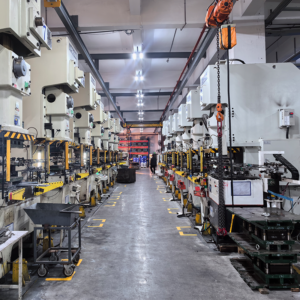
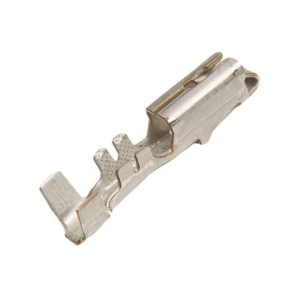
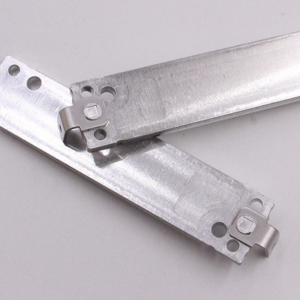
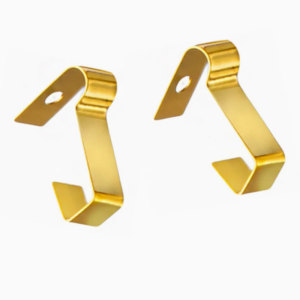
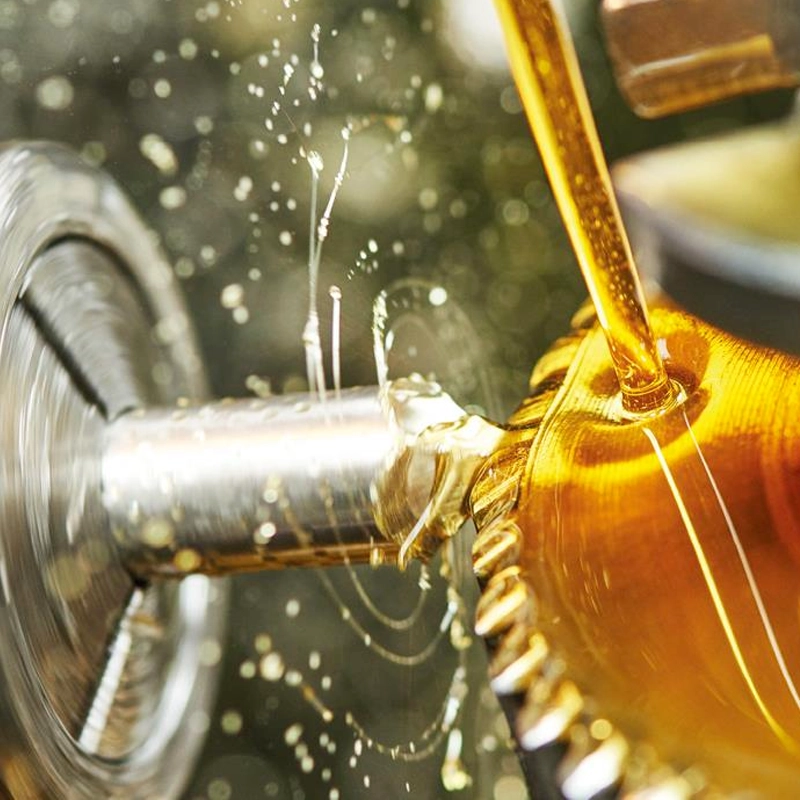
Anyone who’s been in the metal stamping business for a while knows that keeping your dies in good condition can be the difference between a smooth-running production line and one plagued by costly delays. In progressive stamping, where intricate designs and precise tolerances are the name of the game, die wear becomes a significant challenge. But don’t panic – we’ve got your back with tips and techniques to keep your dies in tip-top shape and your production lines running like clockwork. Let’s dive into the art and science of die wear and maintenance!
The Anatomy of Die Wear
First, let’s break down what we’re dealing with. A die is essentially a tool that shapes or cuts metal into a desired form, typically through repeated pressing in a stamping press. Over time, as the die undergoes constant stress and strain from the material it’s stamping, it begins to wear down. This wear and tear can cause defects in the parts being stamped, like inaccurate dimensions, surface flaws, or, worst-case scenario, complete die failure.
There are several factors that contribute to die wear in progressive stamping:
-
Friction: The repeated contact between the die surface and the material leads to friction, which accelerates the wear of the die.
-
Impact: The constant pounding of the press on the die can cause mechanical fatigue, leading to cracks and other forms of damage.
-
Heat: The high temperatures generated during the stamping process can soften the die material, making it more susceptible to wear and deformation.
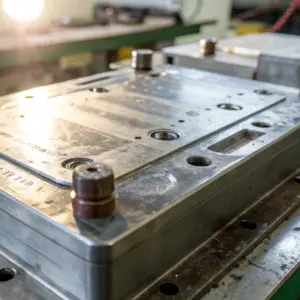
Strategies to Minimize Die Wear
The good news? There’s plenty you can do to minimize die wear and extend tool life. Here are some proven techniques:
-
Material Selection Matters
One of the easiest ways to extend die life is by choosing the right materials. Selecting harder, more durable tool steels for your dies, such as high-speed steel (HSS) or carbide, can make a huge difference. These materials are more resistant to wear and tear and can better withstand the high-pressure and high-heat conditions often found in stamping operations.
-
Regular Lubrication
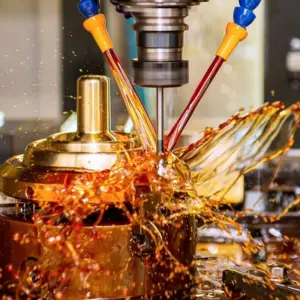
Lubrication is your die’s best friend. Proper lubrication reduces friction, which is one of the primary causes of wear. Applying the right type and amount of lubricant between the die and the metal being stamped can significantly decrease wear rates. In addition, the lubrication process can help keep your tools cooler, which reduces heat-related wear and tear.
Remember – too much lubrication can be just as bad as too little. You need to strike the right balance for optimal performance.
-
Optimizing Press Speed and Force
Slower isn’t always better when it comes to press speed, but running your press too fast can accelerate die wear. By carefully monitoring and adjusting press speeds and forces, you can minimize the mechanical stress on the die and reduce impact-related damage. A little trial and error might be necessary here, but finding the sweet spot will pay off in the long run.
-
Die Coatings and Surface Treatments
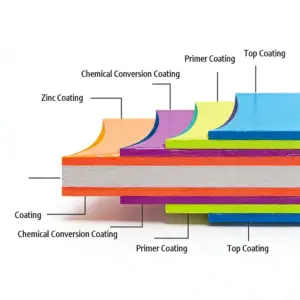
In progressive stamping, surface treatments and coatings can be a game-changer for extending tool life. Coatings like TiN (Titanium Nitride) or DLC (Diamond-Like Carbon) can provide a hard, wear-resistant layer on the die surface, significantly reducing friction and preventing corrosion. These coatings are particularly effective when working with high-volume runs, as they help maintain die precision over time.
-
Proper Die Maintenance
Regular maintenance and cleaning are key to keeping your dies in top condition. You wouldn’t drive a car without regular oil changes or tire rotations, so why would you let your stamping dies run unchecked? Implementing a consistent schedule of inspection, cleaning, and minor repairs can catch issues early, preventing bigger, costlier problems down the line.
Some crucial maintenance tasks include:
-
Die Inspection: Check for cracks, chips, or any signs of excessive wear after every production cycle.
-
Cleaning: Remove metal shavings, rust, and old lubricant after each run.
-
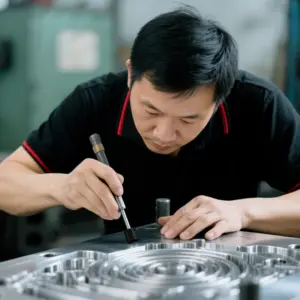
Sharpening and Polishing: Over time, dies will need to be sharpened to maintain the cutting edges and restore their accuracy.
-
Adjusting Die Design
Sometimes, wear is unavoidable due to the material or design of the part being stamped. If you notice excessive wear in certain areas of your die, it might be time to revisit the design. Adding features like wear-resistant inserts or modifying the die geometry can help reduce localized wear and extend the die’s service life.
-
Monitor Tooling Conditions Using Sensors
Advancements in technology have made it easier to track the condition of your tooling in real-time. Installing sensors to monitor die wear can give you valuable insights into tool performance, which helps identify issues before they become major problems. By incorporating sensors into your progressive stamping process, you can automate maintenance and optimize die life based on actual wear data.
Why PlantMetal’s Approach Stands Out
At PlantMetal, we understand that every project is unique, and we pride ourselves on customizing our progressive stamping services to meet the specific needs of our clients. Our approach to die wear and maintenance is rooted in years of experience and a deep understanding of both the materials and the processes involved. We take a proactive approach, helping you select the best tools for your needs, optimizing production processes, and ensuring that your dies stay in peak condition for the long haul.
Whether you’re working with high-strength alloys or intricate designs, PlantMetal offers both precision and reliability in the stamping process. Our commitment to excellence means you can focus on growing your business, while we take care of the tooling.