
In electrical and industrial manufacturing systems, understanding the distinction between connectors and terminals is essential for selecting the right electrical wire connectors, wire connectors, and battery connectors. While they are often used together, their functions, structures, and applications differ significantly in both automotive and industrial environments.
At Plantmetal, we specialize in precision-engineered battery terminal connectors, terminal block connector systems, and metal stamping electrical components, supporting global OEM clients with high-reliability interconnection solutions.
What Are Connectors?
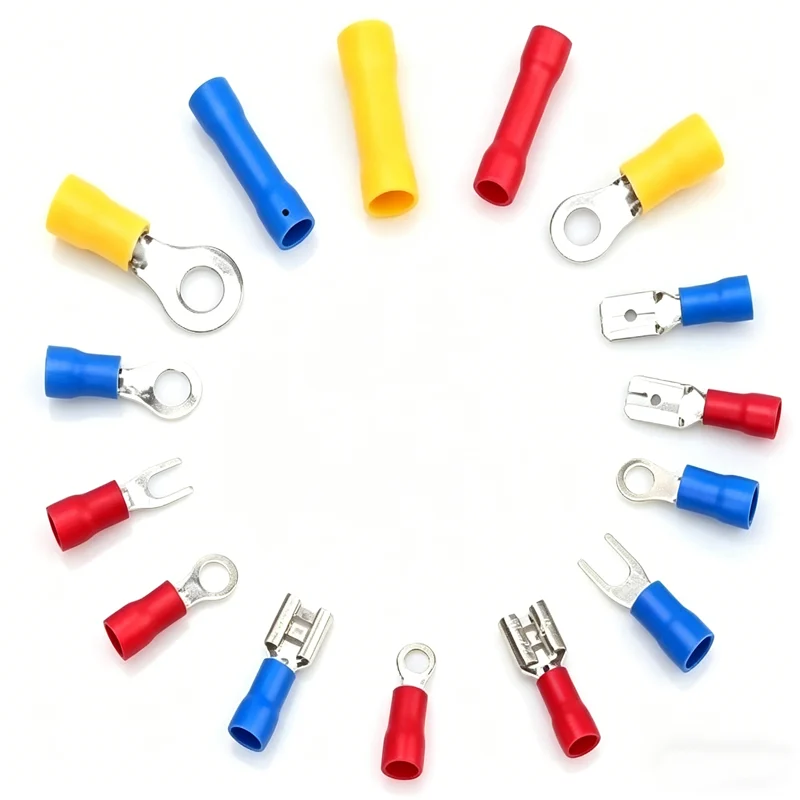
Connectors are electromechanical components designed to join two or more circuits together while allowing easy disconnection when needed. They are widely used in wire connectors, electrical wire connectors, and battery connectors for modular system design.
Benefits of Connectors:
- Enable quick plug-and-play assembly
- Improve system modularity and maintenance efficiency
- Support multi-pin and complex circuit integration
- Provide environmental sealing options for harsh conditions
Connectors are commonly found in automotive wiring systems, consumer electronics, and industrial control units.
What Are Terminals?
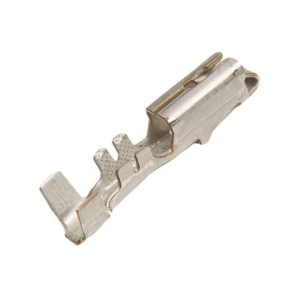
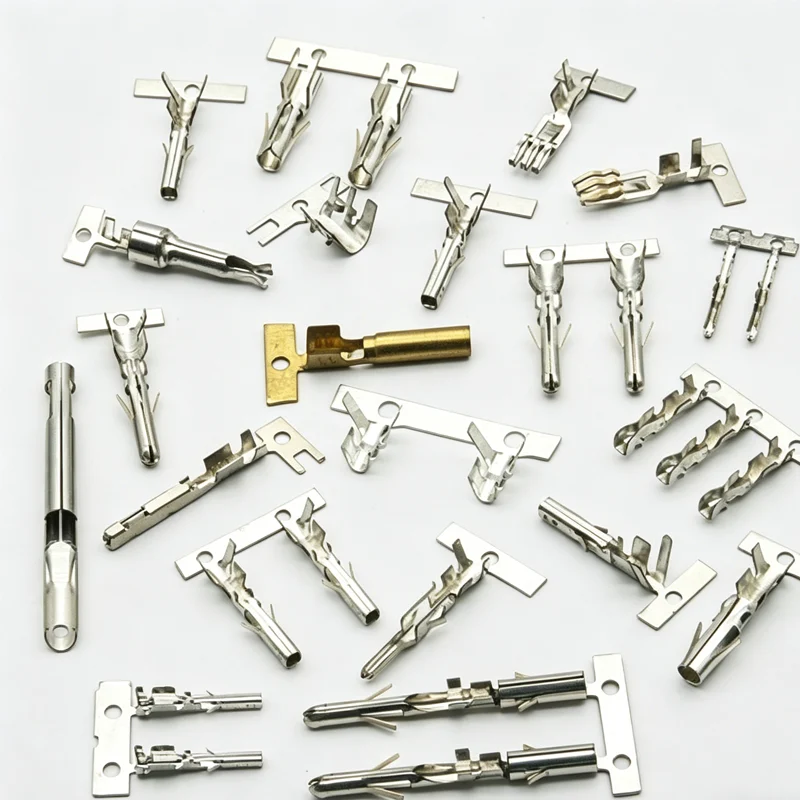
Terminals are the end-point conductive elements that physically attach a wire to a device or power source. They are widely used in battery terminal connectors and metal terminals for secure electrical contact.
Benefits of Terminals:
- Ensure stable electrical conductivity
- Provide strong mechanical wire retention
- Support high-current applications
- Cost-effective for mass production systems
Terminals are typically crimped, welded, or soldered to wires and are essential in power distribution systems.
Differences Between Connectors and Terminals
Although both are used in electrical interconnection systems, their roles differ:
- Function: Connectors enable system linking; terminals provide end-point connection
- Flexibility: Connectors are detachable; terminals are semi-permanent
- Complexity: Connectors support multi-circuit systems; terminals usually handle single-wire interfaces
- Application: Connectors = modular systems, Terminals = power and grounding points
In short, connectors manage system-level connectivity, while terminals ensure stable electrical contact at connection points.
Does the Difference Matter?
Yes—especially in engineering and OEM manufacturing.
Choosing the wrong component can lead to:
- Signal instability
- Heat buildup
- Poor mechanical reliability
- Increased maintenance costs
For example, battery connectors in automotive systems require both secure terminals and durable connector housings to ensure stable power transfer under vibration and temperature changes.

Factors to Consider When Choosing Between a Connector and a Terminal
When selecting between terminal block connector systems and wire connectors, consider:
- Current and voltage requirements
- Environmental exposure (moisture, vibration, heat)
- Assembly method (crimping, soldering, plug-in)
- Maintenance frequency
- Cost vs. performance balance
In high-volume manufacturing, selecting the right combination of terminals and connectors directly impacts long-term system reliability.
Plantmetal Engineering Capability in Electrical Interconnects
At Plantmetal, we support OEM customers with precision manufacturing of:
- Battery terminal connectors
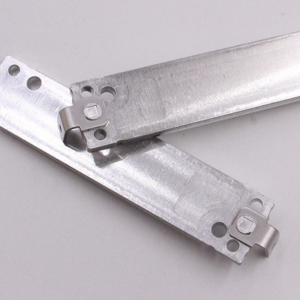
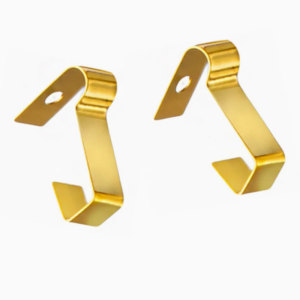
- Metal terminals and stamping parts
- Electrical wire connectors
- Custom connector assemblies
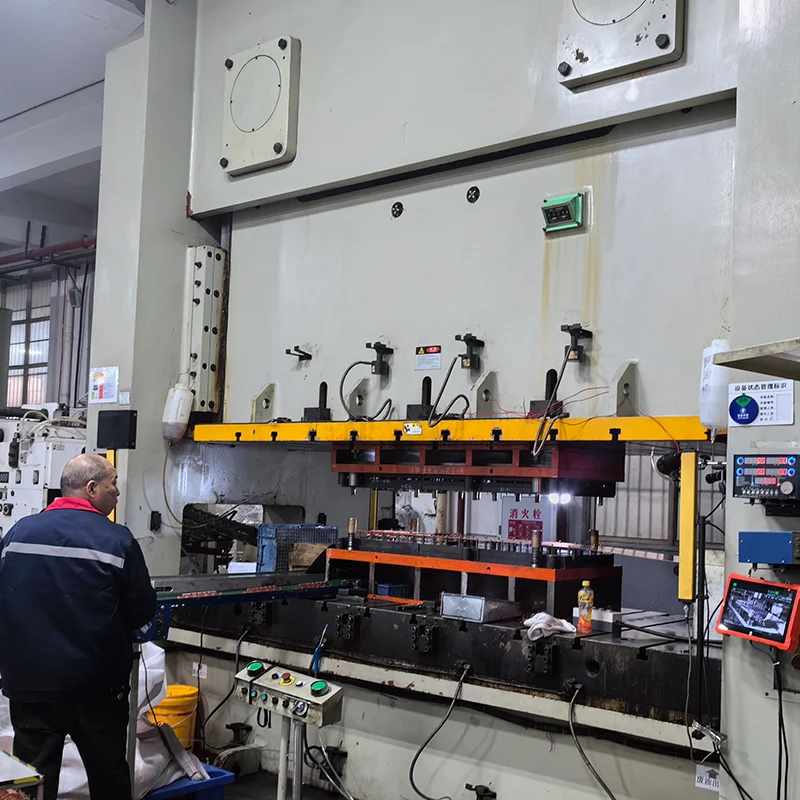
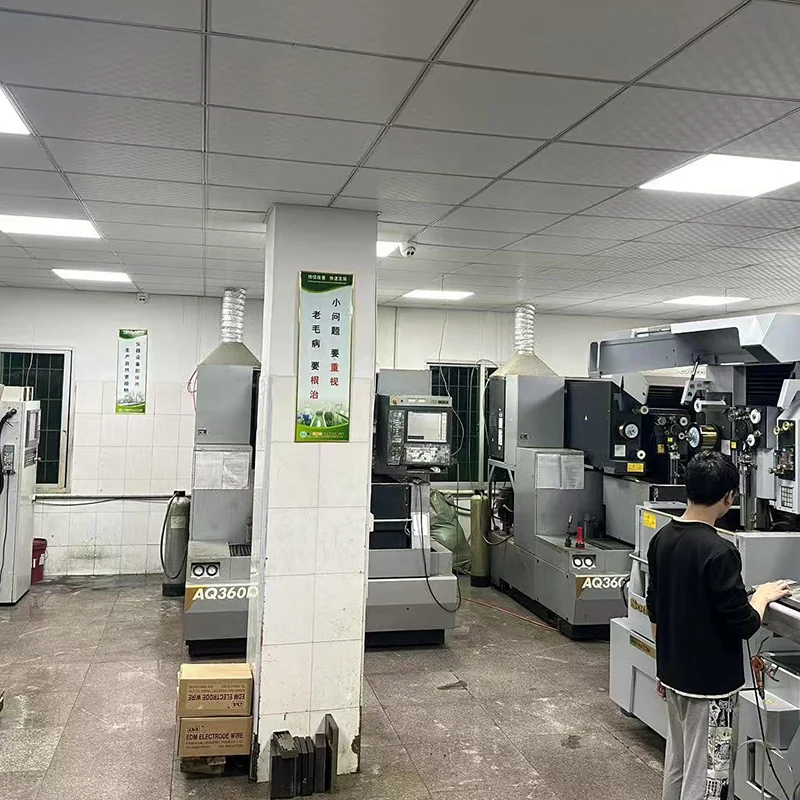
Our production system integrates:
- CNC precision tooling
- Automated stamping lines
- CMM inspection systems for dimensional accuracy
- High-volume OEM manufacturing support
This ensures every component meets strict industrial and automotive-grade standards.
Why Choose Plantmetal
We are more than a supplier—we are a manufacturing partner for global electrical systems.
Our advantages include:
- Advanced metal stamping and tooling engineering
- Stable mass production capability for OEM projects
- Strict quality control with full CMM inspection
- Cost-efficient large-scale production
- One-stop service from design to finished components
We also specialize in custom stamping brass terminals & connectors for battery equipment, delivering high conductivity, corrosion resistance, and long-term durability.
Why OEM customers choose us:
- Faster tooling development cycles
- Consistent batch-to-batch quality
- Strong engineering support for design optimization
- Scalable production for global supply chains
Conclusion
Understanding the difference between a terminal and a connector helps engineers and procurement teams make smarter design and sourcing decisions. While connectors provide system-level flexibility, terminals ensure stable and reliable electrical contact.
For OEM and industrial buyers, combining both correctly is key to achieving performance, safety, and cost efficiency in modern electrical systems.
Questions Fréquemment Posées
1. Are connectors and terminals interchangeable?
No. They serve different roles in electrical systems and should be selected based on function and design requirements.
2. What are the most common applications of battery terminal connectors?
They are widely used in automotive batteries, industrial power systems, and energy storage units.
3. Can connectors handle high-current applications?
Yes, but only if properly rated and designed for the required load.
4. What materials are used in metal terminals?
Common materials include copper, brass, and plated alloys for conductivity and corrosion resistance.
5. Why is CMM inspection important in terminal manufacturing?
It ensures dimensional precision, consistent fit, and long-term reliability in mass production.