
At Plantmetal, a precision-focused manufacturer and factory serving industrial clients and OEMs, we often get asked how shell molding fits into modern metal casting workflows. Shell molding (or shell-mold casting) is a high-precision, repeatable casting method that blends molding sand with thermoset resin to create durable, thin-walled molds—or “shells”—that produce castings with excellent surface finish and dimensional accuracy. This article walks through the process, materials, cost considerations, pros and cons, and typical applications so design engineers, purchasing teams, and suppliers can decide whether shell molding is the right choice for their project.
What is Shell Molding?
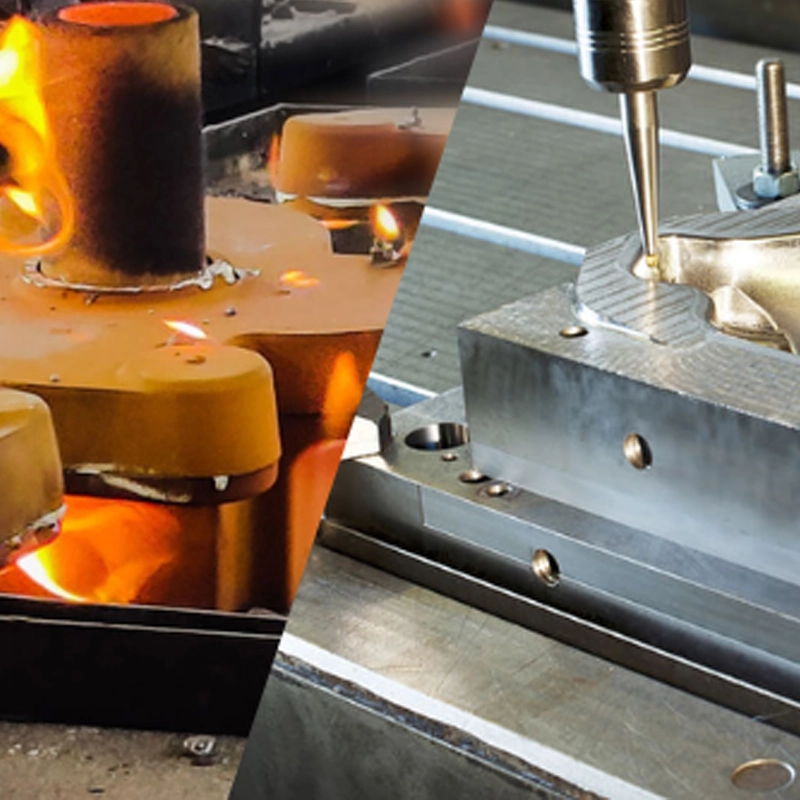
Shell molding is a metal casting process in which a heated pattern is coated with a resin-bonded sand mixture. The resin cures quickly against the heated pattern and forms a rigid shell. Two mating shell halves are then clamped together, assembled into a flask or box, and used to pour molten metal. After solidification, the shell is broken away and the casting is finished. The technique is prized for precision parts where tight tolerances, excellent surface quality, and consistent repeatability matter.
What Is the Process of Shell Molding?
Pattern Preparation
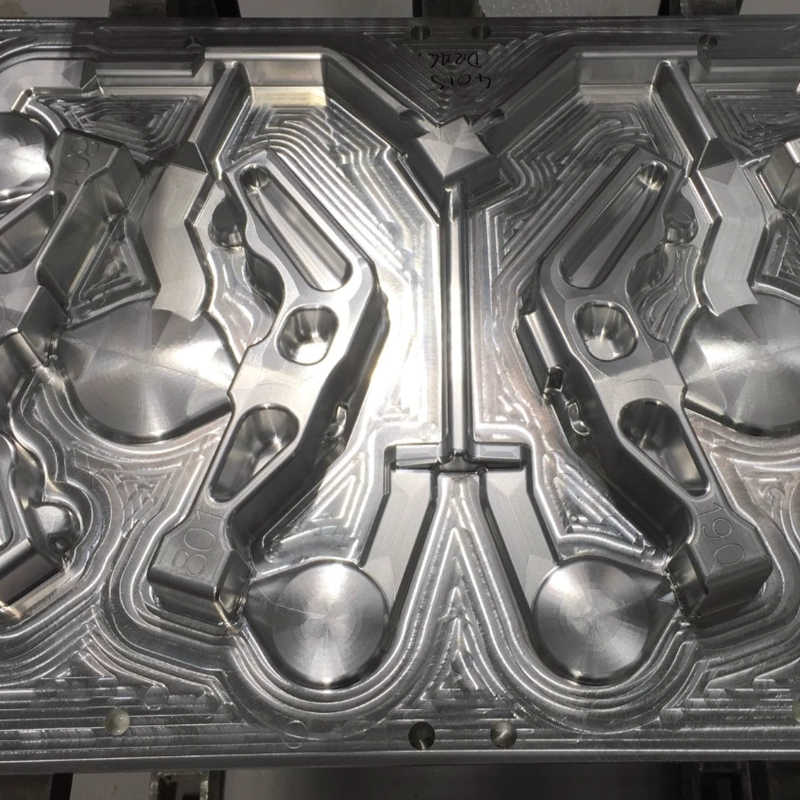
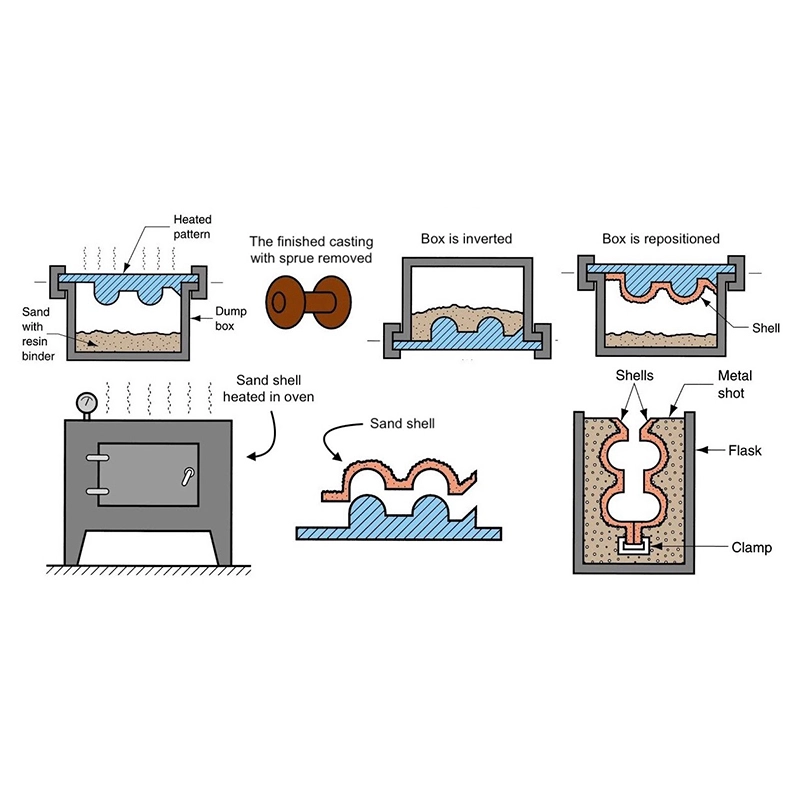
A pattern—usually made of metal or other thermally conductive material—is heated to a controlled temperature. The pattern determines the external geometry of the casting and must be engineered for thermal uniformity and dimensional stability.
Resin-Sand Mixture Coating
A fine-grain silica sand is uniformly coated with a thermosetting resin (commonly phenolic or epoxy resin). The heated pattern is dipped into or coated with this mixture so a thin layer adheres and begins to cure on contact.
Shell Formation and Curing
After the initial coating, the shell is partially cured and removed from the pattern to complete curing in an oven or by continued exposure to heat. Typical shell thickness ranges from 3 mm to 12 mm depending on part size and metal type.
Moisissure Assemblage
Two or more shell halves are assembled and clamped to form a complete mold cavity. Cores or inserts may be added for internal features. The assembled mold is supported by a flask or backing material for rigidity during pouring.
Pouring and Cooling
Molten metal is poured into the shell mold. Cooling rates are controlled to manage shrinkage, microstructure, and mechanical properties. Because shells are thin and close-fitting, castings often exhibit refined grain structure and minimal turbulence during pour.
Shell Removal and Cleaning
Once the metal has solidified, shell fragments are broken away, and the casting undergoes cleaning, heat treatment, machining, and inspection as needed.
Principles of Shell Mold Making and Molding Details
Shell molding leverages heat-activated resin chemistry and fine-grained sand to produce dimensionally stable molds with superior surface finish (often Ra values better than traditional sand castings). The process reduces the need for extensive fettling and finishing and supports complex geometries, thin walls, and close tolerances.
What Materials Can Be Used in Shell Molding?
Shell molding supports a broad range of castable alloys, including:
Acier au carbone
Common for structural parts where strength and toughness are required.
Acier inoxydable
Used where corrosion resistance and biocompatibility are necessary.
Aluminum Alloys
Favored for lightweight components with good thermal conductivity.
Alloy Steels
Selected for high-strength and wear-resistant applications.
Copper-Based Alloys (Bronze and Brass)
Used in fittings, valves, and decorative components.
Nickel-Cobalt Alloys
Employed for high-temperature, high-performance parts.
Magnesium Alloys
Applied where extremely low weight is critical.
What is the Cost of Shell Molding?
Shell molding typically has higher upfront tooling and pattern costs than simple green-sand casting because of heated metal patterns and precise die work. However, per-part costs drop significantly in medium-to-high production runs due to reduced finishing, higher yields, and faster cycle times. For precision, repeatable parts where machining and rework drive cost, shell molding often offers the best total landed cost.
What Are the Advantages of Shell Molding?
Excellent dimensional accuracy and repeatability
Superior surface finish, minimizing secondary operations
Ability to cast thin walls and complex features
High productivity and good pattern life for large runs
Reduced porosity and cleaner castings for critical applications
What Are the Disadvantages of Shell Molding?
Higher initial tooling and pattern costs
Equipment and process control demands (heated patterns, resin handling)
Not cost-effective for very low-volume, one-off parts unless tight tolerances are required
Applications of Shell Molding
Shell molding is widely used in automotive components (gears, housings), hydraulic parts, valve bodies, precision pump components, tooling inserts, and some aerospace parts where dimensional control and surface quality are critical. Suppliers and OEMs rely on shell molding for parts that reduce machining and assembly costs downstream.
Shell Molding vs. Die Casting
Die casting is a high-pressure process using metal dies, best for very high-volume non-ferrous parts with tight dimensional control. Shell molding is more flexible in alloy selection (including steels and high-temp alloys), often produces lower tooling costs for moderate volumes, and can yield thicker or more complex cross-sections when required.
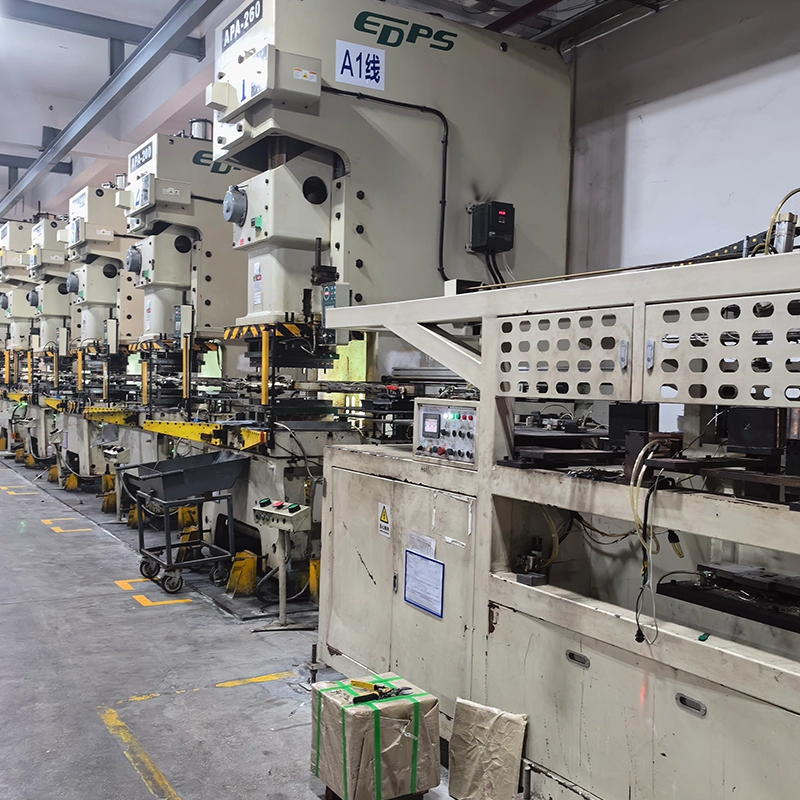
Shell Molding vs. Estampage Métallique
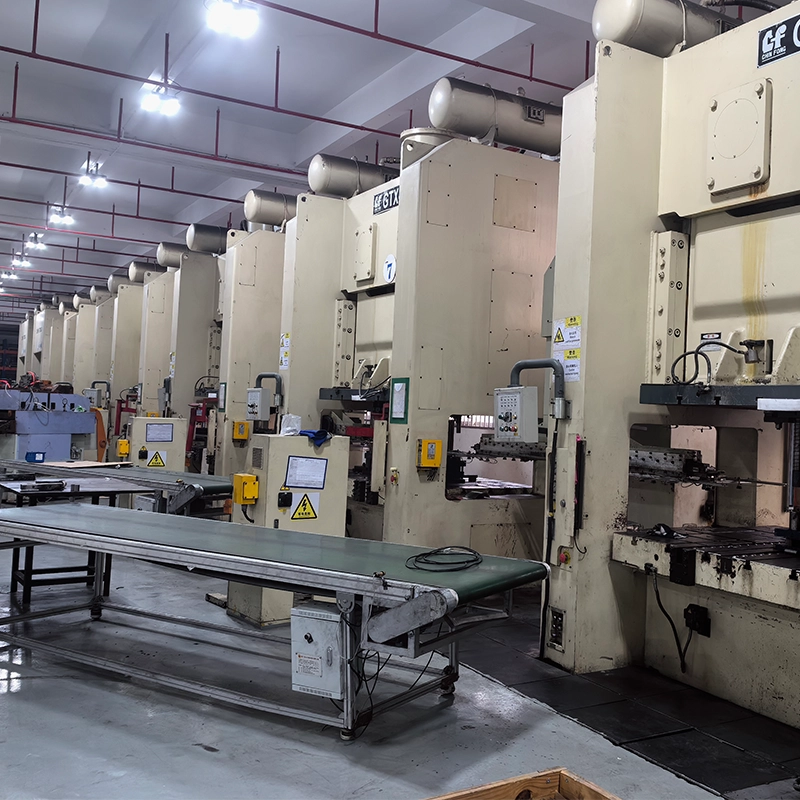
Metal stamping forms sheet metal through dies and presses—ideal for thin, planar parts at high volumes. Shell molding creates three-dimensional cast parts and is the preferred choice when part geometry, wall thickness, and material selection preclude sheet forming.
Conclusion
Shell molding is a versatile, precision casting method ideal for medium-to-high production runs that require tight tolerances, excellent surface finish, and the flexibility to use a wide range of alloys. As a trusted manufacturer, factory, and supplier, Plantmetal partners with design and procurement teams to evaluate when shell molding delivers the best combination of performance and cost. We provide end-to-end support—including pattern design, process engineering, and OEM service—to help you move from concept to reliable production.
If you’re evaluating casting options or need a partner to prototype and scale, contact Plantmetal today. Tell us about your part geometry, volume expectations, and performance requirements—our engineering team will recommend the most cost-effective manufacturing route and provide a custom quote. We’re ready to collaborate and help turn your designs into production-ready parts.