
At Plantmetal, we rely on precision grinding every day to finish stampa metallica parts, meet tight tolerances, and deliver OEM-ready components. Whether you call it grinding, abrasive machining, or precision surface finishing, this family of processes is essential to achieving flatness, concentricity, fine surface finishes, and accurate dimensions in production engineering. This guide covers the fundamentals, history, technical specs, process varieties, and practical manufacturing considerations for engineers, buyers, and suppliers.
What is the Grinding Process and Its Basic Principles?
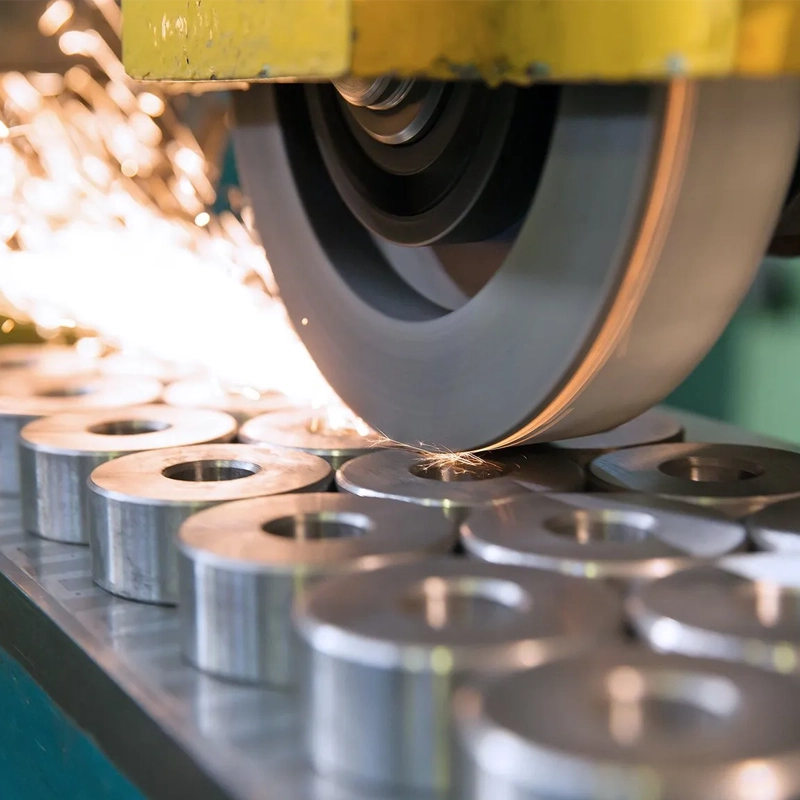
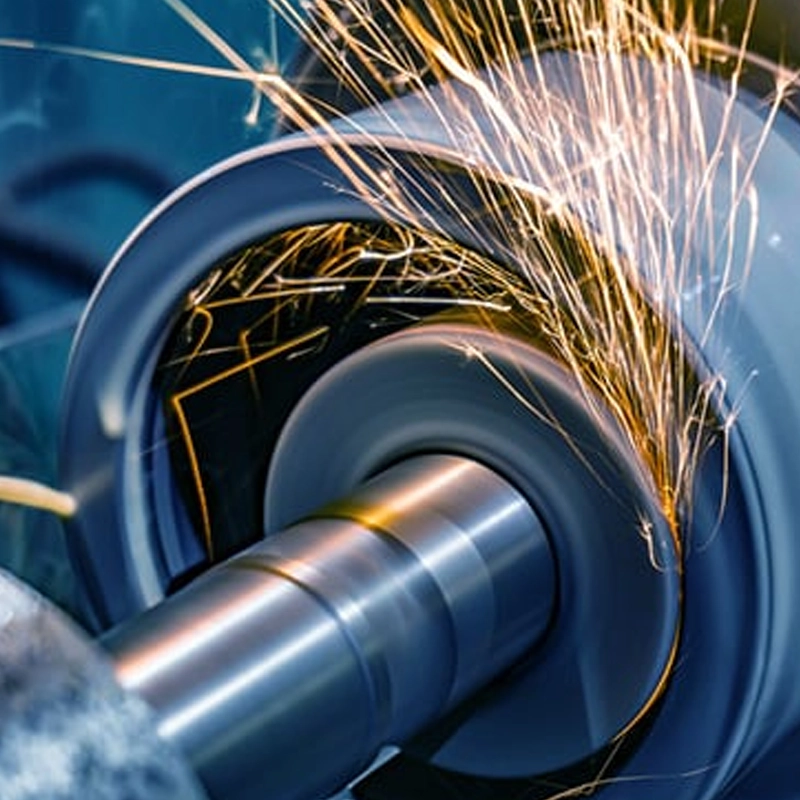
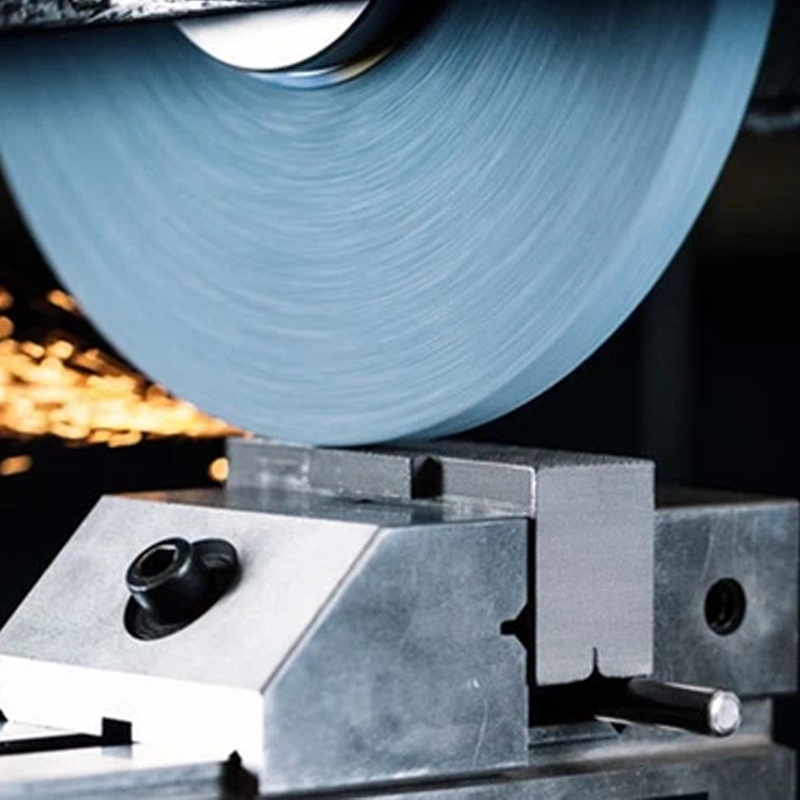
Grinding (abrasive machining) removes material using an abrasive wheel composed of abrasive grains bonded together. As the wheel contacts the workpiece, microscopic cutting edges shear material, producing controlled material removal and a fine surface finish. Key control factors are wheel selection, wheel speed, feed, depth of cut, and coolant application.
How Has Grinding Technology Evolved?
Ancient Origins
Abrasive finishing dates back to hand polishing with stones and sand.
Industrial Revolution (18th–19th Century)
Mechanized grinding wheels and early machine tools enabled industrial-scale surface finishing.
Early 20th Century
Specialized machines—surface and cylindrical grinders—appeared for bearing and tooling work.
Mid to Late 20th Century
Advanced abrasives (CBN, diamond) and better coolant systems improved productivity and accuracy.
Modern Era (21st Century)
Today, CNC grinding, adaptive controls, and in-process metrology allow manufacturers to grind complex parts with repeatable tolerances required by aerospace, medical, and automotive OEMs.
Technical Specifications in Grinding
- Grinding wheel speed (rpm) — affects cutting action and heat generation.
- Workpiece speed — important in cylindrical and centerless grinding.
- Feed rate — traverse or plunge feed determines material removal per pass.
- Depth of cut — controls stock removal and wheel load.
- G-ratio (grinding ratio) — volume of material removed per wheel volume lost; indicator of wheel life.
- Surface finish (Ra) — achievable ranges depend on wheel grit and process (sub-micron Ra possible).
- Coolant application — reduces heat, flushes swarf, and extends wheel life.
Types of Grinding Processes & Applications
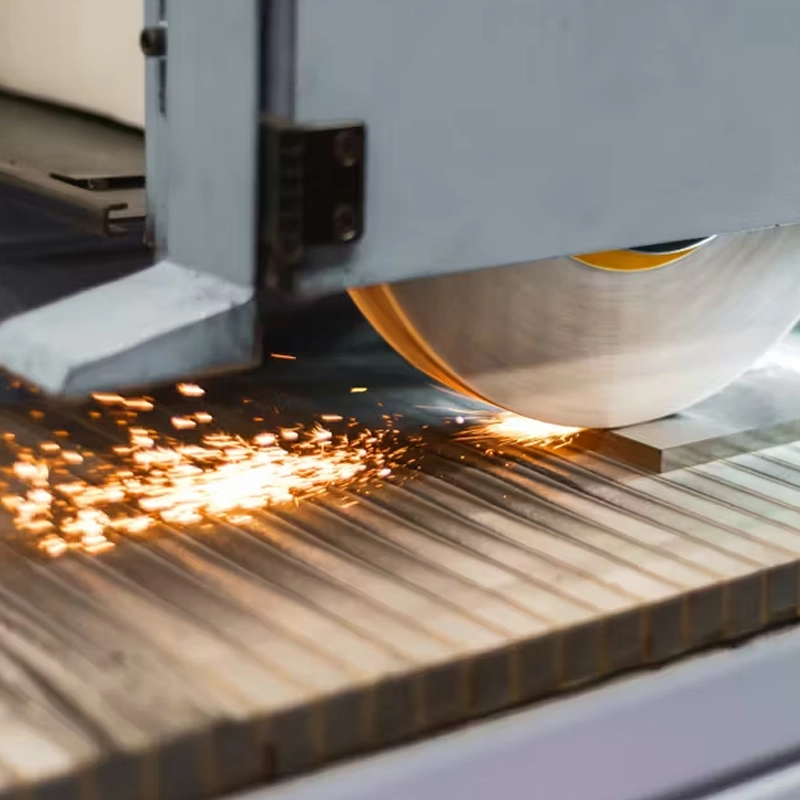
- Surface grinding — flat surfaces, fine finishes on plates and components.
- Cylindrical grinding — external diameters with high concentricity (shafts, pins).
- Internal grinding — bores and internal features.
- Centerless grinding — high-volume shaft production without centers; ideal for long runs.
- Creep-feed grinding — heavy single-pass removal for hardened materials.
Common Techniques
- Traverse grinding — wheel moves across part for uniform finish.
- Plunge grinding — wheel feeds radially into stationary part for form grinding.
- Wet vs dry grinding — wet preferred for temperature control and swarf removal.
- Spark-out — final passes without feed to stabilize geometry and remove springback.
Materials Processed
Steel and hardened alloys, stainless steels, carbide, ceramics, and even some nonferrous metals are routinely ground. Selecting wheel type (aluminum oxide, silicon carbide, CBN, diamond) depends on the material.
Advantages and Limitations
Advantages: unmatched accuracy, excellent surface finish, ability to process hardened materials.
Limitations: slower material removal than milling, potential thermal damage if uncontrolled, and wheel dressing requirements.
Cost and Environmental Impact
Cost analysis must include wheel cost, dressing time, coolant disposal, and machine amortization. Environmental impact centers on coolant management and particulate control—many factories invest in filtration and recycling and consider dry or near-dry processes where feasible.
Precision CNC Grinding in Modern Manufacturing
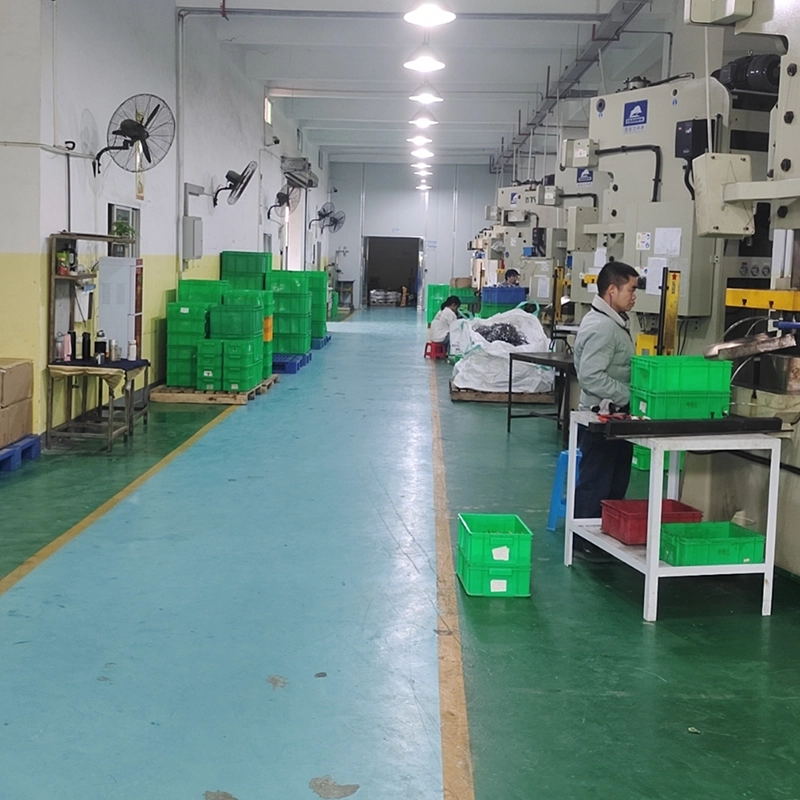
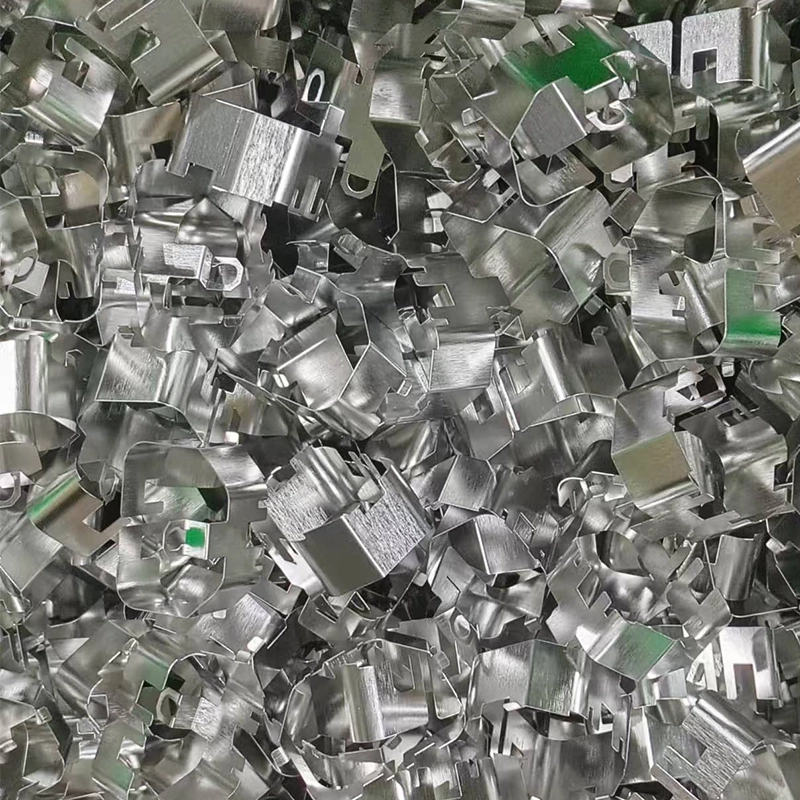
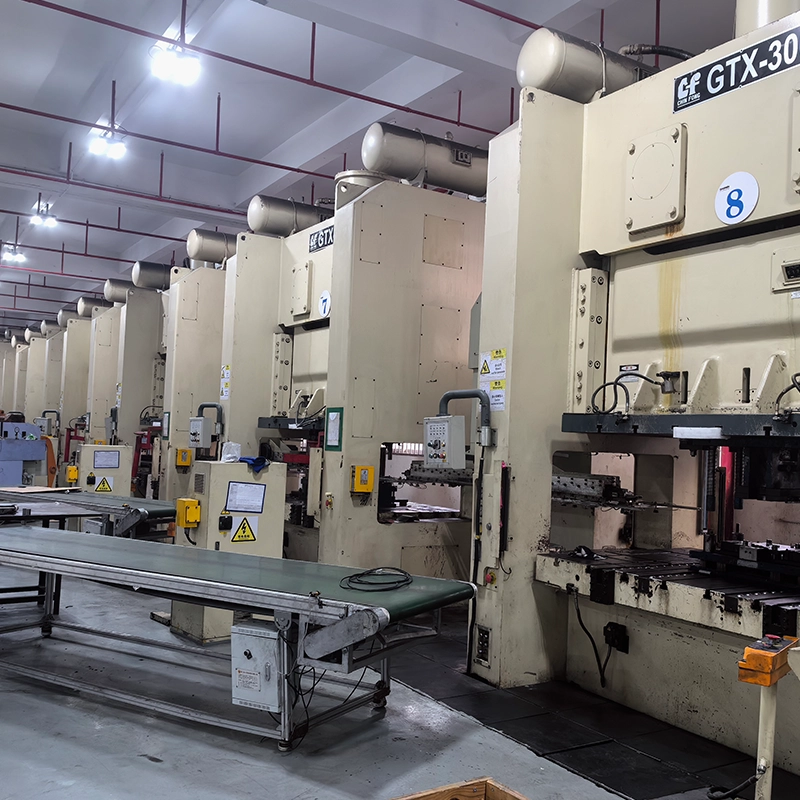
CNC grinding integrates CAD/CAM profiles, multi-axis control, and in-process probing. For manufacturers and suppliers serving the automotive and medical markets, CNC grinding enables consistent batches of metal stamping parts with tight tolerances and minimal downstream rework. As a contract manufacturer offering OEM service, Plantmetal couples grinding with stamping, heat treatment, and assembly to provide turnkey components.
Conclusion
Grinding remains a cornerstone of precision manufacturing. If your next program needs tight geometry, low Ra, or hardened surface finishing, understanding wheel selection, process parameters, and in-process control is essential. At Plantmetal, we offer custom grinding strategies paired with stamping and finishing to meet your production goals. Contact our engineering team for a process review, a quote for precision grinding on your parts, or to discuss supplier partnerships — we’ll help you choose the right abrasive machining approach for your application.