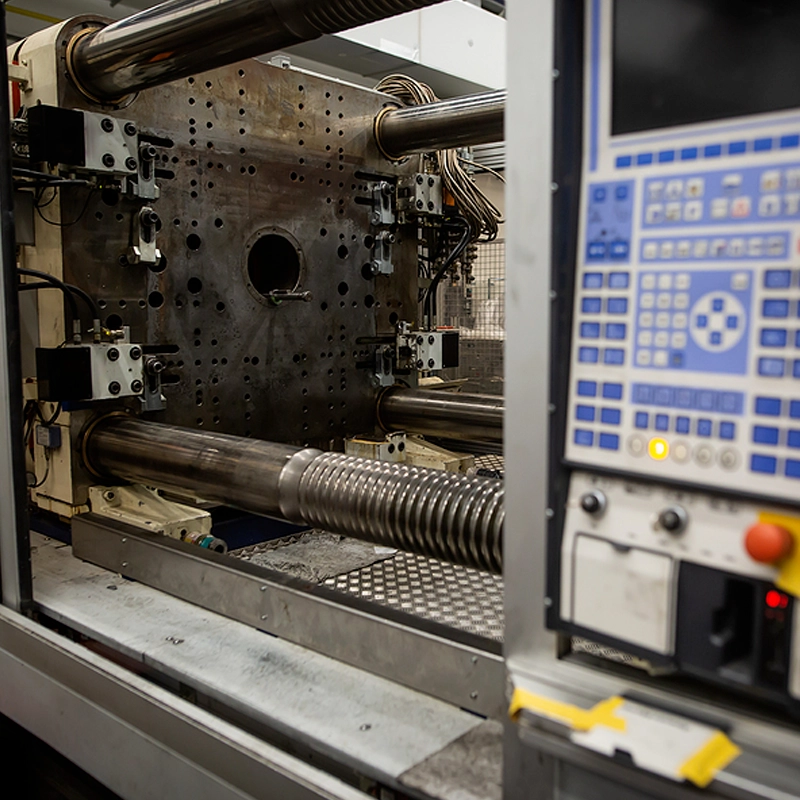
If injection molding were a highway system, hot runners would be the high-speed express lanes—no stops, no wasted fuel, and definitely no traffic jams. They quietly do the heavy lifting behind the scenes, making sure molten plastic gets where it needs to go efficiently, consistently, and with minimal waste.
So, what exactly is a hot runner system, and why does it matter so much?
What Is a Hot Runner System ?
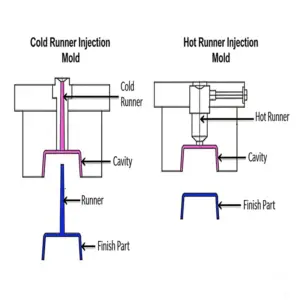
A hot runner system is a heated network of channels inside an injection mold that keeps plastic molten as it flows from the machine nozzle into the mold cavities.
Think of it like a heated delivery system. Instead of letting the plastic cool and harden before it reaches the part (like in a cold runner), the hot runner keeps everything at a controlled temperature—so the material stays fluid the entire way.
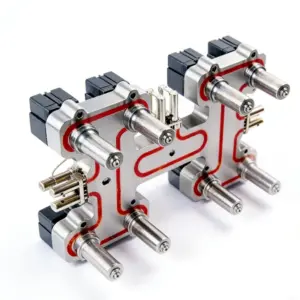
What Does It Actually Include?
A typical hot runner system is made up of three main parts:
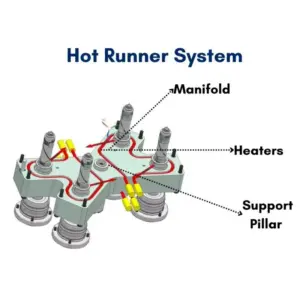
- Manifold – distributes the molten plastic to different cavities
- Heated nozzles – deliver the plastic directly into each cavity
- Temperature controllers – keep everything at the precise temperature
All of these components work together to ensure the plastic never solidifies before it fills the mold.
Why Hot Runners Matter More Than You Think
Let’s start with the obvious: material savings. In high-volume production, even small reductions in waste can translate into significant cost savings. Hot runner systems ensure that nearly all injected material becomes part of the final product. That’s not just efficient—it’s good business.
But the benefits don’t stop there.
Hot runners also improve cycle times. Since there’s no need to cool and eject solidified runners, molds can open faster and get ready for the next shot sooner. Over thousands—or millions—of cycles, those seconds add up quickly.
And then there’s part quality. By maintaining consistent temperature and flow, hot runner systems help reduce defects like warping, sink marks, and flow lines. The result? More uniform parts, tighter tolerances, and fewer headaches on the production floor.
Precision, Control, and a Bit of Engineering Magic
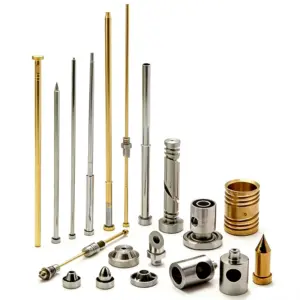
Hot runner systems aren’t just about keeping plastic hot—they’re about controlling it with precision. Advanced systems allow for fine-tuned temperature zones, balanced flow paths, and even valve gating mechanisms that control exactly when and how material enters the mold cavity.
This level of control is especially valuable for complex or multi-cavity molds, where consistency is critical. Whether you’re producing medical components, automotive parts, or consumer goods, hot runners help ensure every part meets the same high standard.
Of course, all this sophistication comes with a bit more upfront investment compared to cold runners. But in most cases, the long-term gains in efficiency, material savings, and product quality far outweigh the initial cost.
When Are Hot Runners the Right Choice?
Hot runner systems shine in high-volume production environments where efficiency and consistency are non-negotiable. They’re also ideal for applications involving expensive materials, where minimizing waste is a top priority.
That said, they may not always be the best fit for short production runs or highly specialized materials that require frequent changes. Like any tool, their value depends on how and where they’re used.
A Smarter Approach to Modern Manufacturing
In today’s competitive manufacturing landscape, efficiency isn’t optional—it’s expected. Hot runner systems represent a smarter, more refined approach to injection molding, helping manufacturers reduce waste, improve quality, and streamline operations.
At plantmetal, we’ve seen firsthand how the right tooling strategy—including well-designed hot runner systems—can transform production outcomes. Whether it’s optimizing mold performance or supporting complex part designs, integrating the right technology is often the difference between meeting expectations and exceeding them.