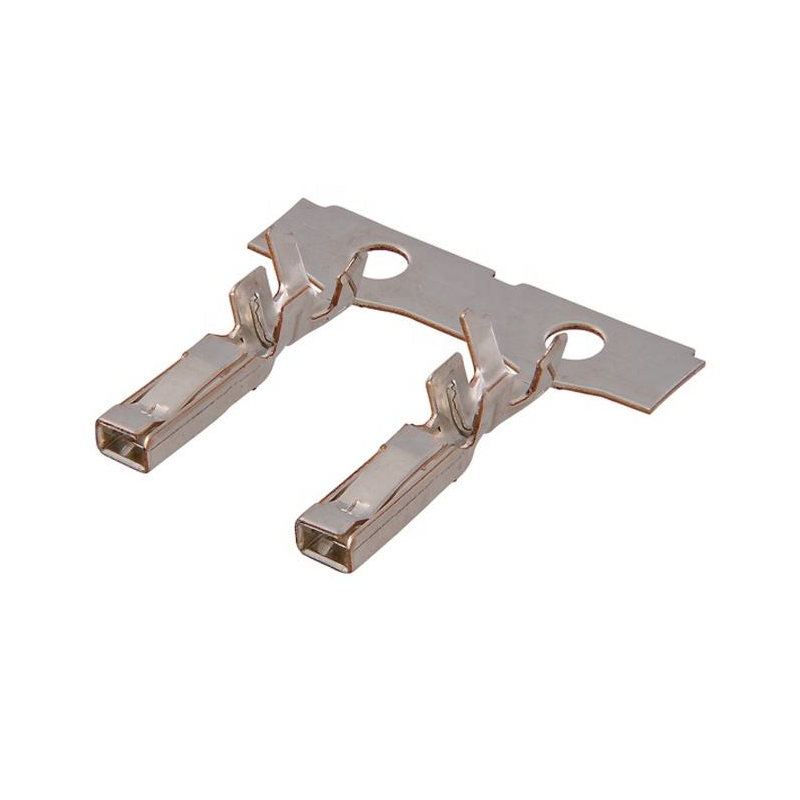
Description:
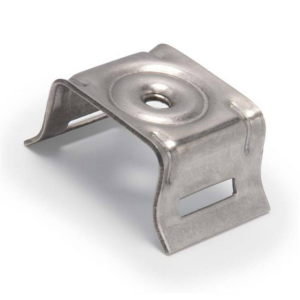
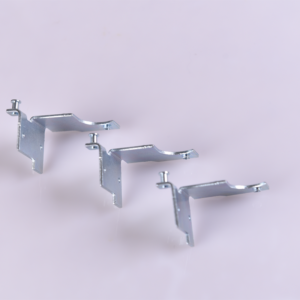
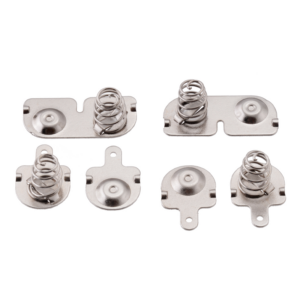
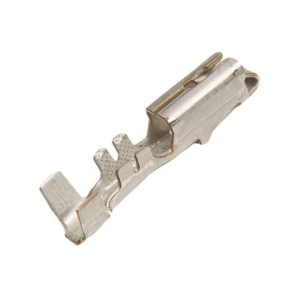
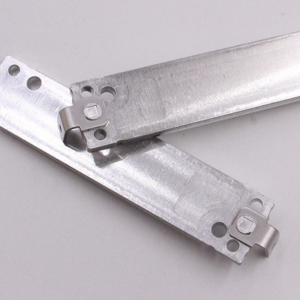
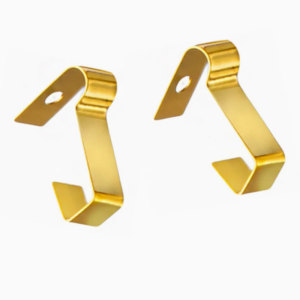
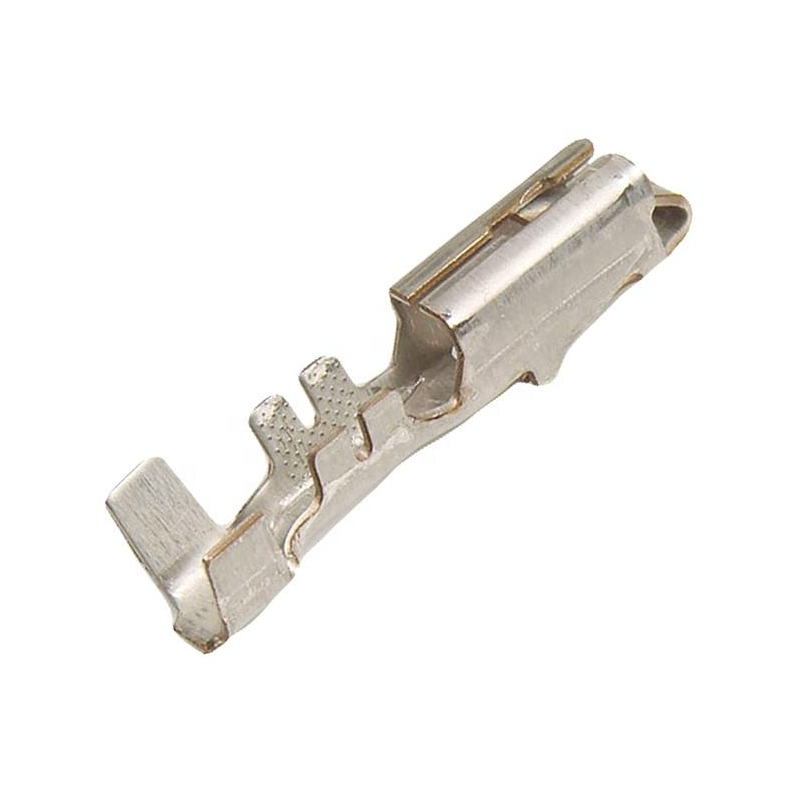
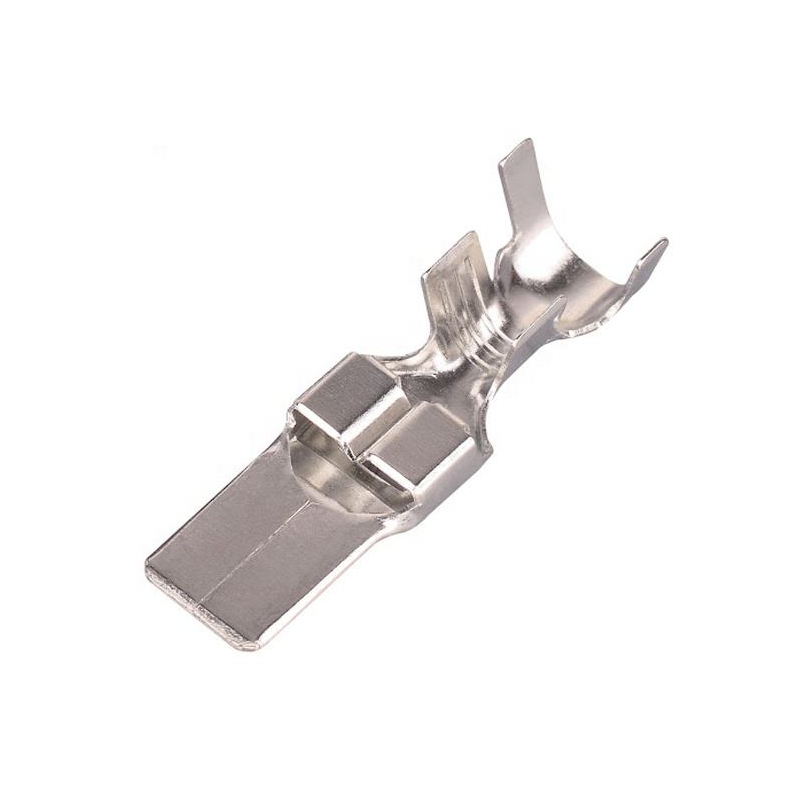
Our progressive die stamped brass terminals & connectors ensure reliable, high-conductivity connections for battery equipment. Precision-stamped from high-grade brass for excellent electrical performance and corrosion resistance, they are essential for energy storage and power systems. We offer full OEM customization.
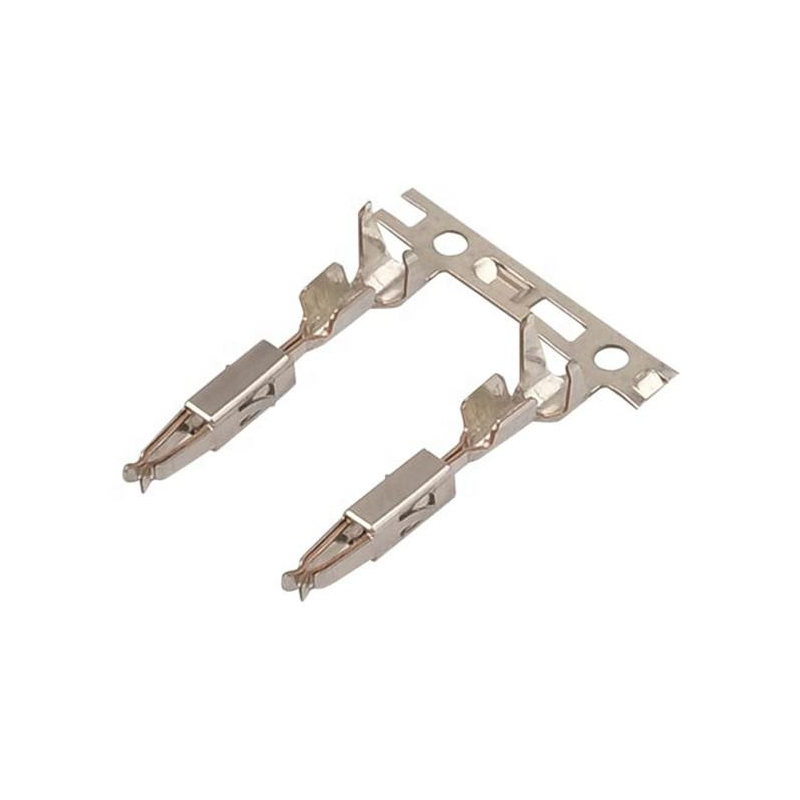
Details:
| Item | Details |
|---|---|
| Material | High-Conductivity Brass Alloy (C2600, etc.) |
| Mould | Multi-Station Progressive Dies |
| Surface Processing | Tin Plating, Nickel Plating, Selective Gold Plating |
| Stamping Industry | Battery Equipment, Energy Storage, Power Systems |
| Tolerances | ±0.03mm (Critical Contact Areas) |
| Customization | Fully Supported (OEM/ODM) |
| Sample Time | 12-18 Days |
| Production Time | 25-35 Days (volume-dependent) |
| Service | OEM & Custom Manufacturing |
| Size | Customized per Drawing |
| Transport Package | Anti-Tarnish Bags / Reels in Cartons |
| Trademark | OEM |
| Origin | Xiamen, China |
| Production Capacity | 500,000+ units/month |
Production Process:
-
Material Selection & Blanking: Select high-conductivity brass alloy coils. The coil is fed into the progressive die for initial blanking to the required strip width.
-
Progressive Die Stamping & Forming: The brass strip progresses through die stations for precise piercing, bending, and forming into the final terminal shape in a single, high-speed operation.
-
Deburring & Cleaning: Stamped parts undergo tumbling or vibratory finishing to remove burrs and sharp edges, followed by ultrasonic cleaning to prepare for plating.
-
Precision Surface Plating: Terminals are plated via barrel or rack plating processes (e.g., tin, nickel, or gold) to ensure solderability, low contact resistance, and corrosion protection.
-
Quality Inspection & Testing: 100% visual inspection and sample-based testing for dimensions (CMM), plating thickness, and electrical conductivity/contact resistance.
-
Packaging: Components are packaged in anti-oxidation materials, wound on reels for auto-assembly, or packed in labeled boxes for shipment.
Surface Treatments:
-
Electro-Tin Plating: Provides excellent solderability and good corrosion resistance at a cost-effective price point for standard battery connections.
-
Nickel Plating: Offers superior surface hardness, wear resistance, and a stable base for subsequent plating, ideal for high-cycle mating applications.
-
Selective Gold Plating: Applied to critical contact points for ultra-low and stable contact resistance, excellent corrosion resistance, and long-term reliability in premium applications.
-
Passivation (for specific alloys): Enhances the natural corrosion resistance of the brass substrate, often used prior to plating for improved adhesion and performance.
Factory Show:
Our dedicated metal stamping facility features high-speed precision progressive stamping presses (40 to 250-ton) equipped with automatic feeders and in-line vision inspection systems for consistent, high-volume output of brass components. We maintain an in-house tool & die shop with CNC wire EDM for precision die manufacturing. A dedicated plating line handles various finishes critical for electrical components. Rigorous quality control is enforced using measurement systems like optical comparators and X-ray coating thickness gauges, ensuring every terminal meets the stringent conductivity and reliability standards required for battery and power equipment.