
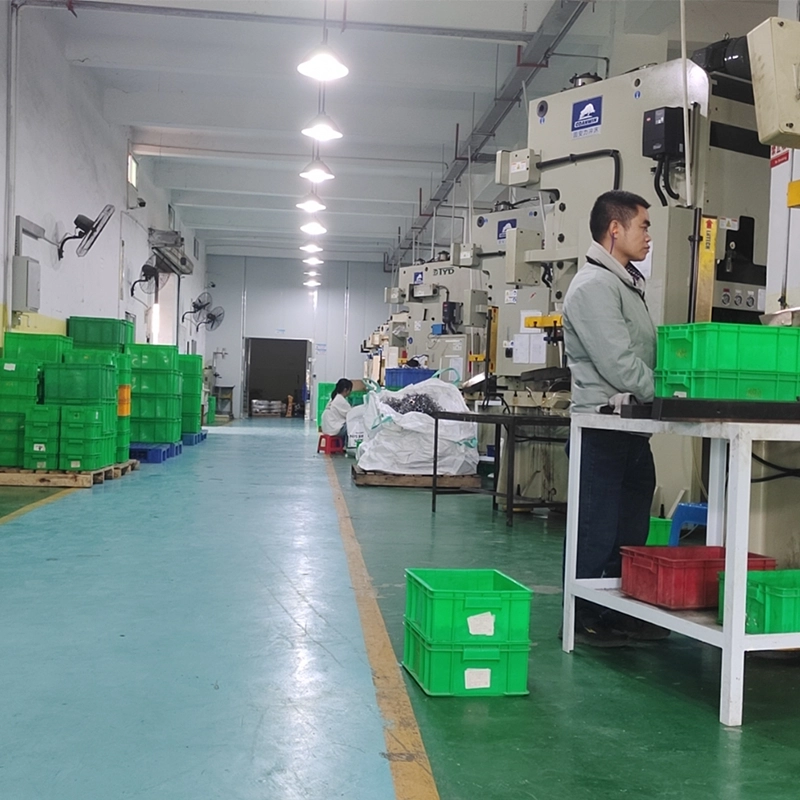
At Plantmetal, a full-service manufacturer and factory for precision metal components, we machine thousands of sleeve parts and deep-drawn bushings every year. The inner bore (ID) surface of a sleeve is often the most critical feature—its roundness, surface finish, and dimensional tolerance determine assembly fit, bearing life, sealing performance, and fluid dynamics. This guide walks through the most common and advanced machining methods for internal hole surfaces, when to use each process, and best practices B2B buyers and design engineers should know when specifying custom metal sleeves or sourcing from suppliers.
What is Sleeve Parts?
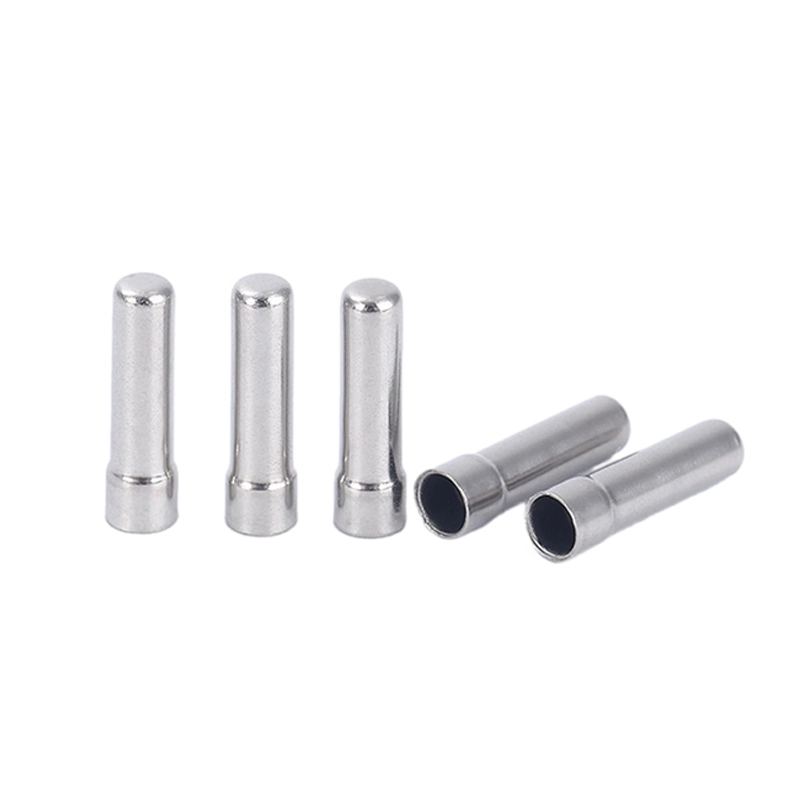
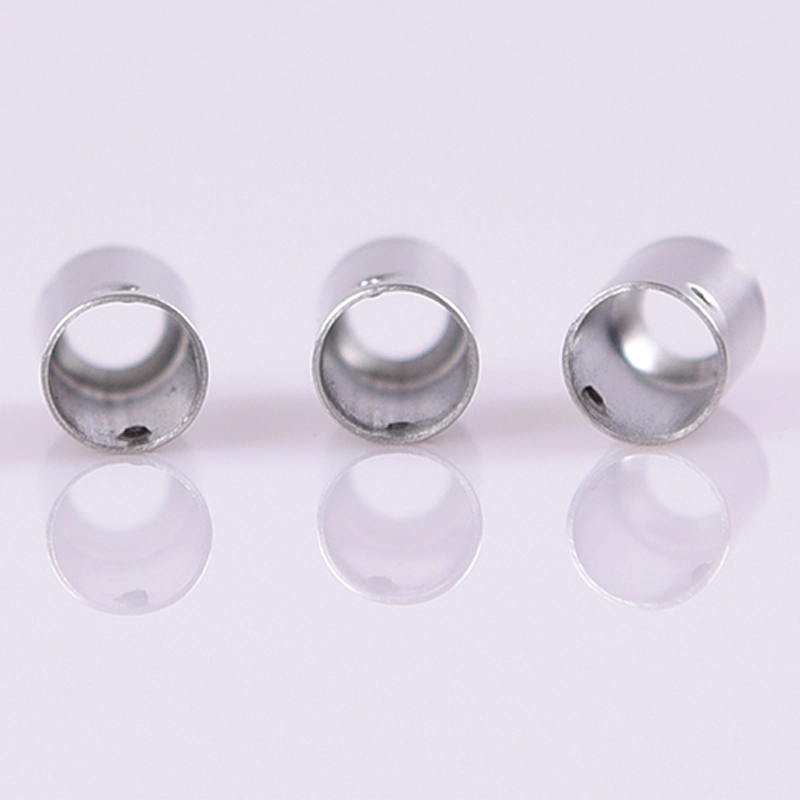
“Sleeve parts” (or bushings, liners, and sleeves) are cylindrical components with an internal bore that interfaces with shafts, pins, fluids, or fasteners. They can be produced by machining from bar stock, deep drawing, or metal forming. Typical applications include bearings, spacers, hydraulic bushings, and guiding sleeves. Deep drawing bushings and thin-walled sleeves often require special ID machining strategies due to thin walls and dimensional sensitivity.
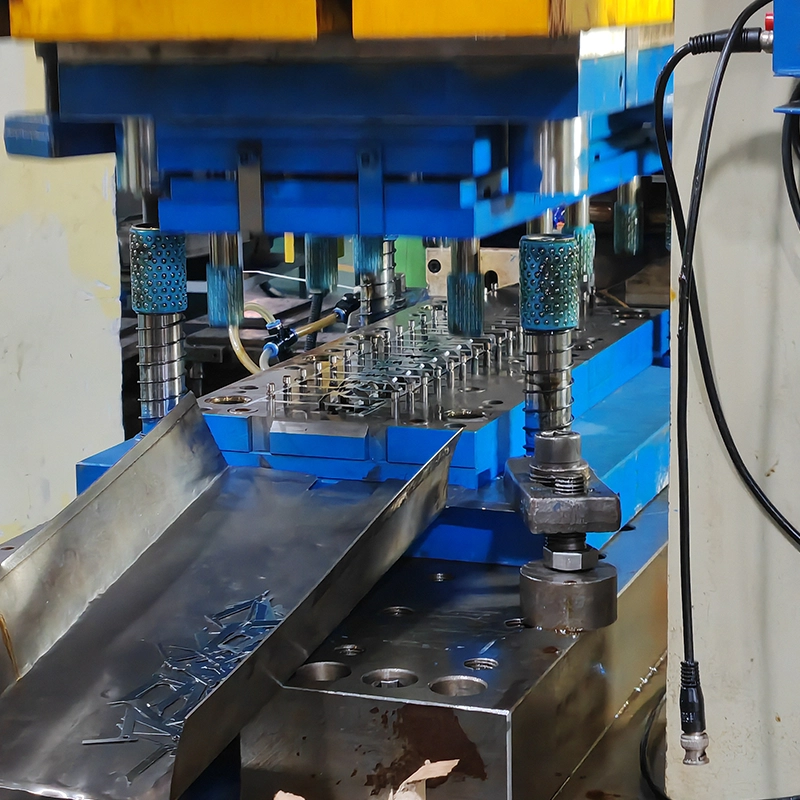
Machining Methods of Inner Hole Surface of Sleeve Parts
1. Drill Hole
Drilling is the primary method to create a pilot or rough hole. For sleeves, pilot drilling establishes the center and approximate diameter before finishing operations. For thin-walled or deep parts, support (mandrels or backing plates) is required to prevent distortion.
2. Reaming
Reaming improves diameter accuracy and surface finish after drilling. Precision reamers produce tight tolerances (commonly H7 or better) and improve roundness. Reaming is economical for moderate accuracy requirements.
3. Broaching
Internal broaching is used when keyways, splines, or special internal profiles are needed. Broaching is efficient for high-volume production but requires robust fixturing and tooling investments.
4. Boring
Boring (single-point or boring heads) removes stock from the ID to achieve concentricity, controlled wall thickness, and precise diameter. Boring on a lathe or boring mill is versatile for medium-to-large diameters and is frequently used for oversized or out-of-round corrections.
5. Grinding Holes
ID grinding delivers high-precision diameters and excellent surface finish (Ra values down to a few tenths of a micron). Cylindrical internal grinding is ideal for hardened sleeves and bearing bores where roundness and microfinish are critical.
6. Deep Hole Machining
For sleeves with large depth-to-diameter ratios, specialized deep hole techniques are required.
Deep Hole Drilling Method
Gun drilling and BTA (Boring and Trepanning Association) drilling are typical methods. Gun drills maintain a stable coolant-fed path and a single-point cutting action, producing straight holes with consistent diameters.
Cooling and Chip Removal Methods
Effective coolant delivery and chip evacuation are critical. Through-tool coolant pushes chips back through the drill flutes; in BTA systems, separate streams and separate chip transport channels avoid clogging. For long bores, peck drilling combined with high-pressure coolant can be used for small diameters.
Special Machining Methods for Sleeve Parts
- Mandrel-supported turning reduces ID deformation for thin walls.
- Roll-machining can cold-form ID surfaces with minimal material removal.
- Non-contact laser or EDM sizing for hardest materials or feature-critical finishes.
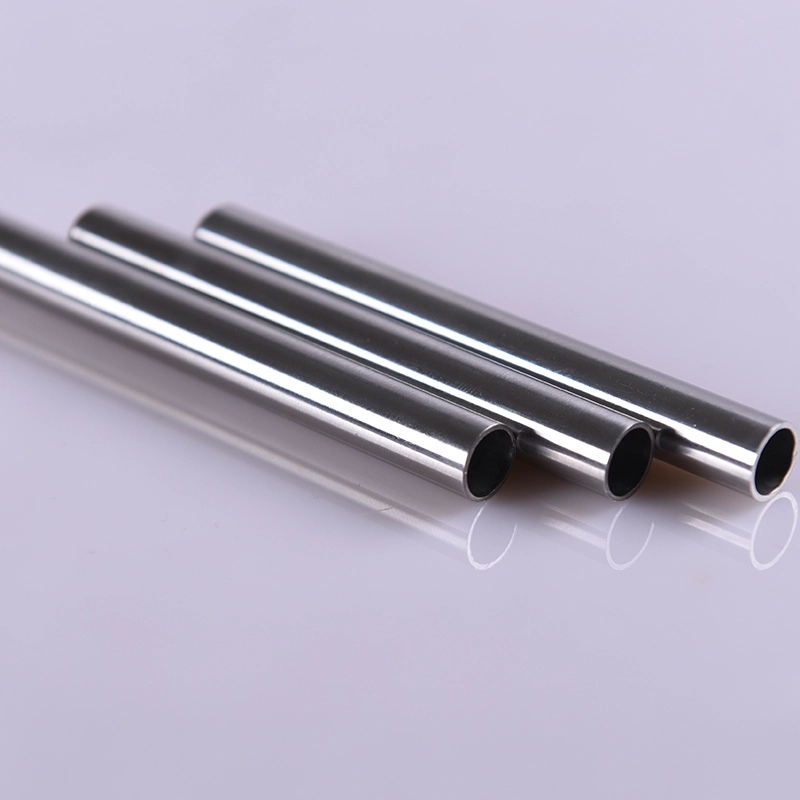
Precision Machining of Holes
1. High-Speed Precision Boring
High-speed boring with fine feeds and rigid tooling reduces cutting forces and achieves tight roundness and cylindricity. Thermal stability, spindle rigidity, and tool geometry are key.
2. Honing
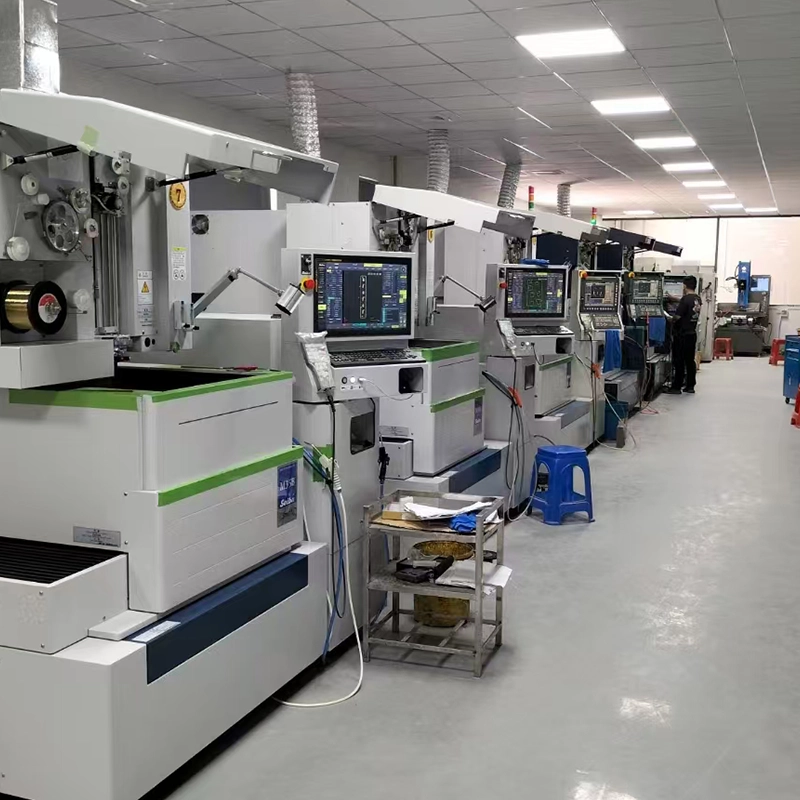
Honing is a finishing process that removes small amounts of material with abrasive stones while the hone reciprocates and rotates.
Honing Principle
Honing produces cross-hatched surface patterns that improve oil retention and break-in performance for bearing bores.
Honing Method
Hones expand to contact the bore; multiple passes with progressively finer abrasive grit reach target diameter and surface finish.
Characteristics of Honing
- Improves geometry (cylindricity, roundness) and surface texture.
- Typical tolerances: single-digit microns and controlled cross-hatch angles.
3. Grinding (Lapping)
ID grinding achieves ultra-precise diameters and excellent finishes. Lapping can further enhance surface finish and remove microscopic peaks, ideal for sealing surfaces.
4. Rolling
Cold roll-finishing methods impart compressive residual stress and excellent surface finish.
(1) Roll Pressing
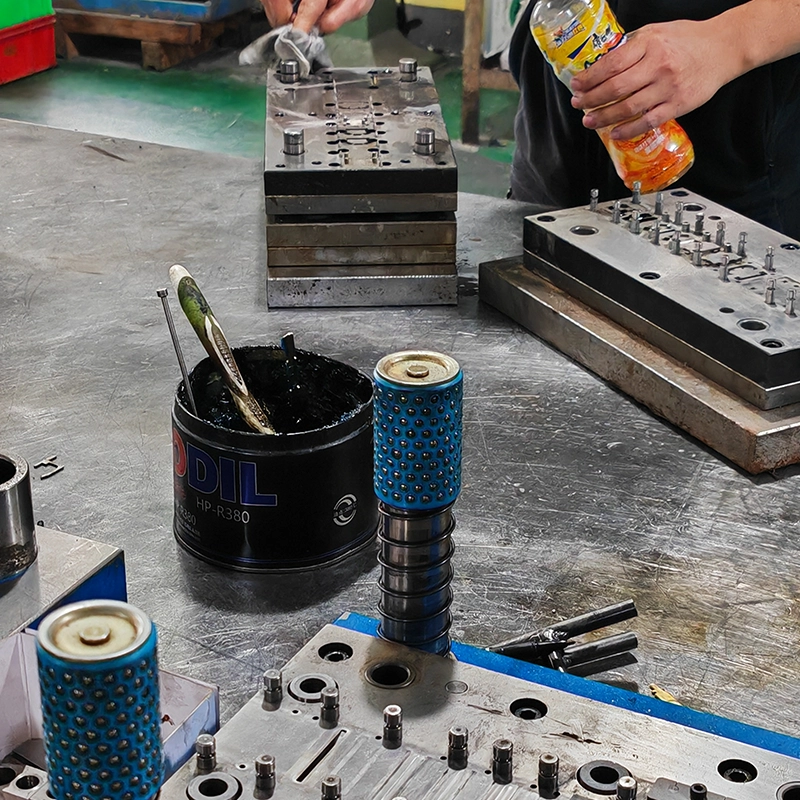
Roll-press methods plastically deform the ID to correct roundness and improve finish without removing material.
(2) Ball Rolling
Ball rolling uses hard balls to roll the ID, smoothing peaks and improving tribological properties.
Conclusion
Selecting the right combination of drilling, reaming, boring, grinding, honing, or rolling depends on sleeve geometry, material hardness, wall thickness, required tolerances, and production volume. For deep drawing bushings and thin-walled sleeves, consider mandrel support, low-force finishing methods (honing, rolling), and tight process control to prevent distortion. For hardened or high-precision bores, ID grinding and honing are preferred.
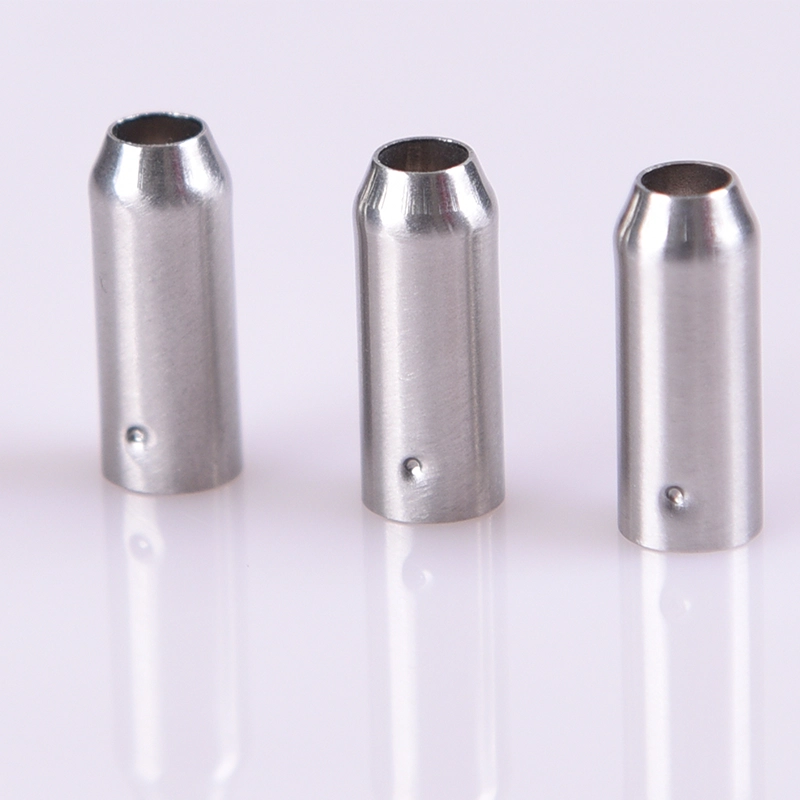
At Plantmetal, we offer end-to-end capability—from deep drawing and prototype development to precision ID machining and volume production—acting as a one-stop service for OEMs and suppliers. Our factory combines DFM reviews, precision metrology (CMM, roundness, surface finish), and documented process controls to deliver consistent, high-quality sleeve components.
Need help specifying ID tolerances or selecting the optimal finishing method for your sleeve part? Contact Plantmetal today for a technical review, DFM recommendations, and a sample run. We’ll partner with you to ensure manufacturability, cost efficiency, and supply-chain reliability.