
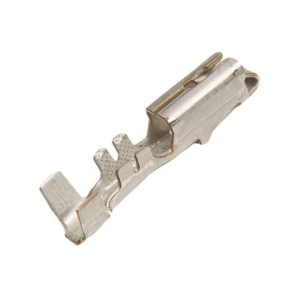
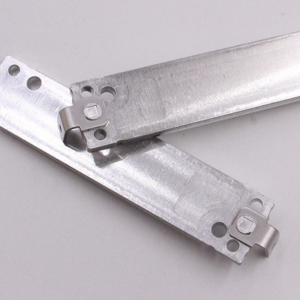
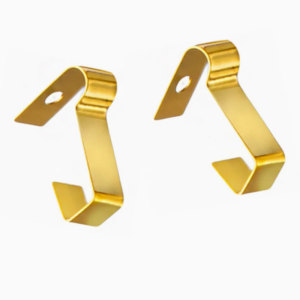
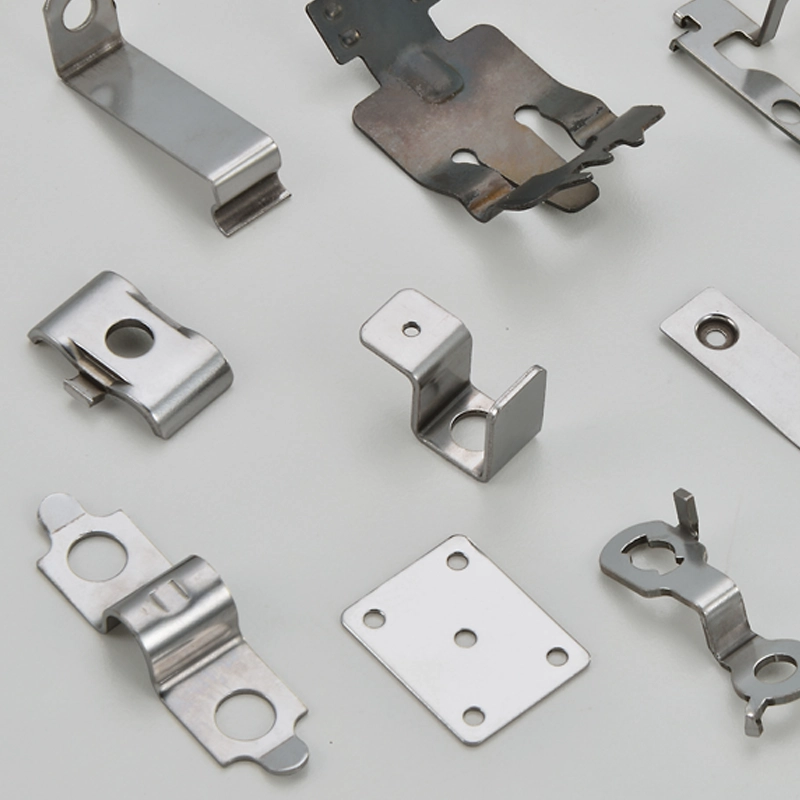
At Plantmetal, we support customers who need reliable custom Металлическая штамповка parts with stable quality, repeatable dimensions, and consistent delivery in high-volume production. When orders move from sampling into mass manufacturing, even small process issues can become expensive defects. That is why defect prevention must be built into the project from the start, from tooling and material selection to inspection and packaging.
For OEM buyers, procurement teams, and product developers, understanding the most common defects in high-volume runs is essential. It helps reduce scrap, improve yield, and keep production on schedule. It also gives suppliers and manufacturers a clearer path to delivering one-stop service with fewer quality problems and better customer satisfaction.
Defect Rates
In high-volume production, defect rate is one of the most important indicators of process stability. A low defect rate means the line is running consistently, while a rising defect rate usually signals a problem with tooling, material quality, setup, operator control, or packaging.
Defect rates are especially important in metal stamping because a small variation can affect thousands or even millions of parts. A minor press issue, die wear condition, or material inconsistency may not look serious at first, but in mass production it can quickly lead to rejects, delays, and higher cost.
The best way to control defect rates is through early process planning, strong in-line inspection, and a well-managed quality system. High-volume production should never depend on final inspection alone. Prevention is always more effective than sorting bad parts after the fact.
Forming and Dimensional Defects
Forming and dimensional defects are the most common issues found in stamped parts. These defects often come from press setup, die design, material behavior, or wear over time.
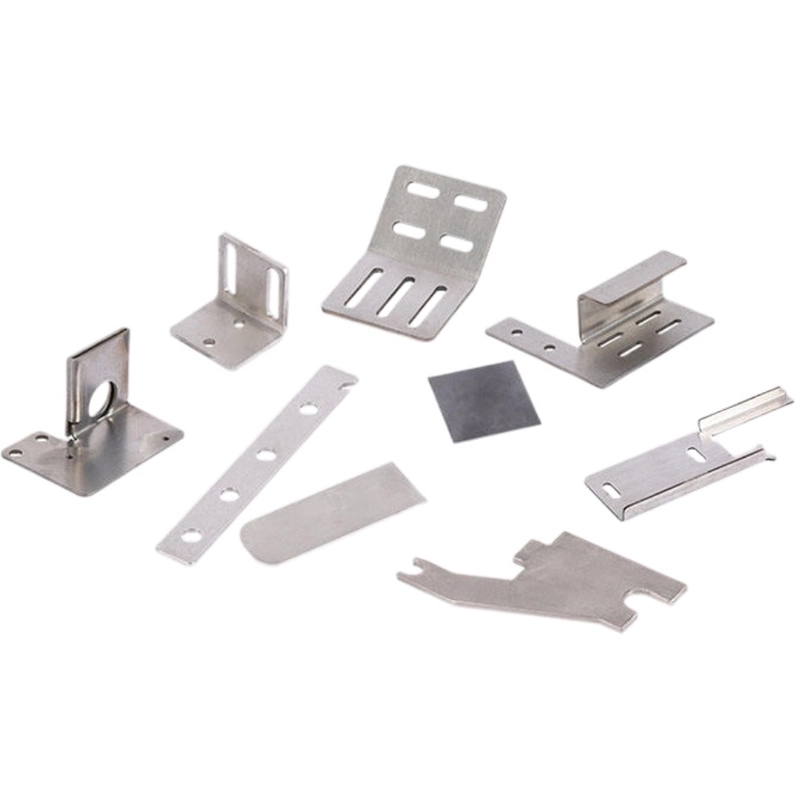
Forming Defects
Forming defects happen when the part does not take the intended shape correctly. Common examples include cracks, wrinkles, tearing, springback, uneven bends, and surface distortion.
These problems often occur when the material is too hard, the die radius is too tight, or the forming process is not balanced. In high-volume manufacturing, even a slight mismatch between tooling and material behavior can create a large number of defective parts.
To prevent forming defects, manufacturers should:
- Review material properties before production
- Verify die clearance and forming geometry
- Maintain proper lubrication
- Monitor press tonnage and stroke consistency
- Run first article checks before full release
When working with a reliable manufacturer, DFM support and die optimization can help reduce the risk of forming failure before mass production starts.
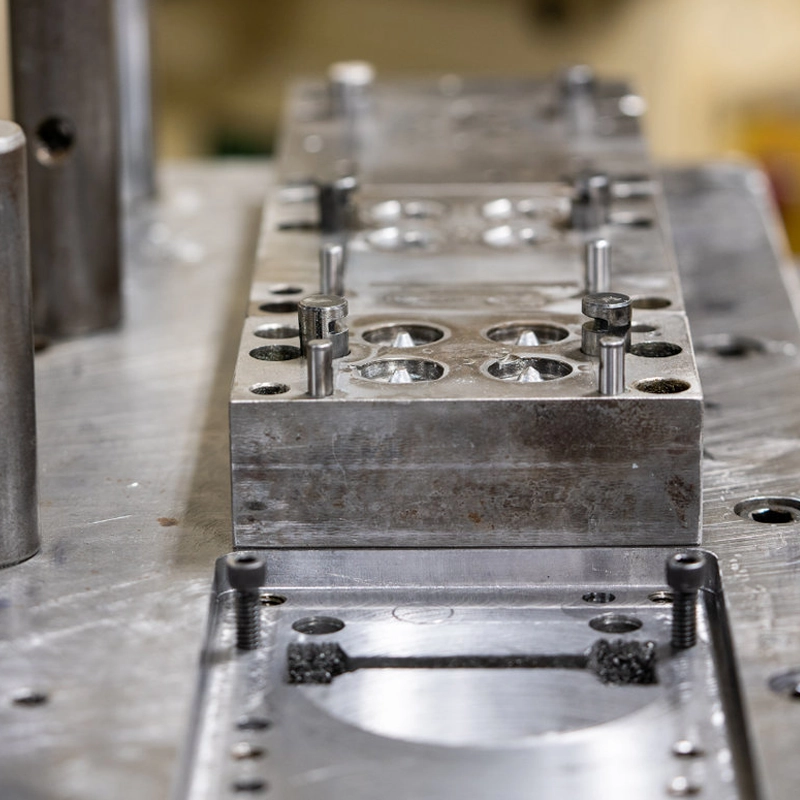
Dimensional Defects
Dimensional defects occur when parts fall outside the required tolerance. These issues can include oversized holes, uneven bends, incorrect length, poor flatness, or variation from part to part.
In high-volume production, dimensional defects usually result from tool wear, thermal expansion, press instability, or inconsistent incoming material. If the die is not maintained properly, dimensional drift can happen gradually and remain unnoticed until large quantities have already been produced.
Preventive measures include:
- Tight tooling maintenance schedules
- Regular measurement of critical dimensions
- Process capability studies
- Controlled material sourcing from qualified suppliers
- Real-time production monitoring
For custom projects, the best way to avoid dimensional issues is to design tooling with clear tolerances and build a production plan that supports repeatability.
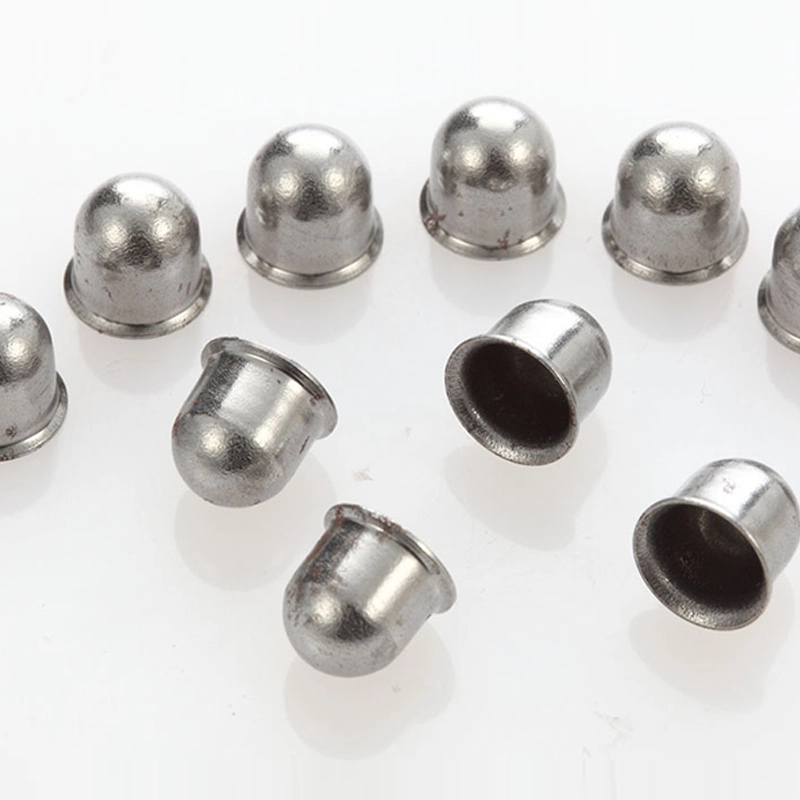
Packaging Defects
Packaging defects are often overlooked, but they can cause serious problems in shipping, warehousing, and final customer delivery. A perfectly made part can still become a rejected shipment if packaging is incorrect or damaged.
Incorrect or Missing Shipping Markings and Barcodes
High-volume orders often require barcodes, labels, lot numbers, handling marks, and shipping references. If these are missing or incorrect, the shipment can be delayed, rejected, or misrouted.
This type of defect is especially costly for customers who rely on automated warehouse systems or strict traceability requirements. To prevent this, packaging should be checked against customer specifications before shipping. Barcode verification, label review, and final pack audits are essential.
A professional one-stop service provider should be able to manage both part production and packaging control so the customer receives a ready-to-use shipment.
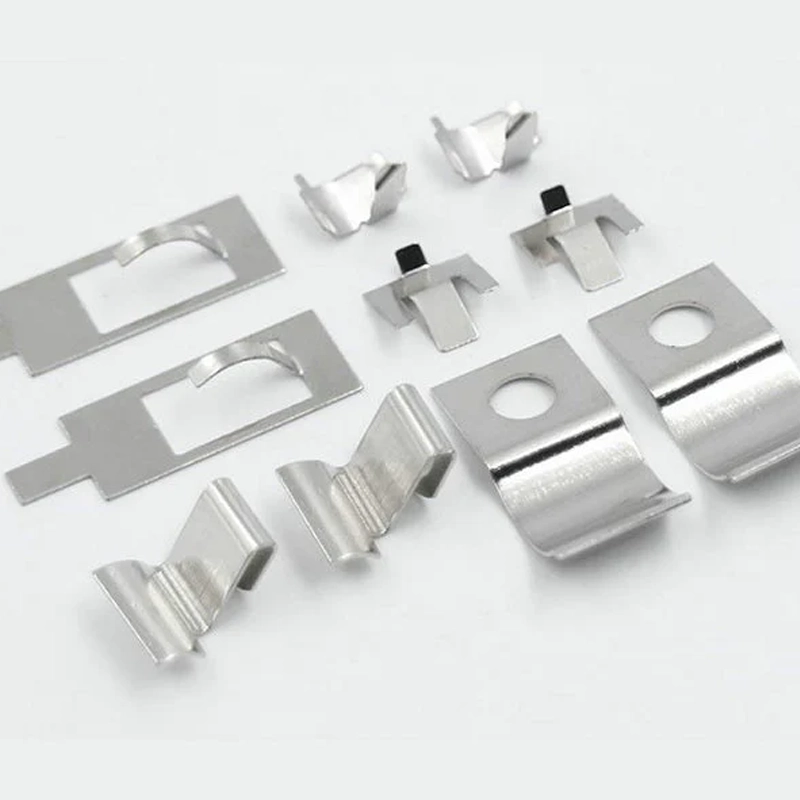
Container and Product Defects
Packaging problems can also include crushed cartons, loose trays, poor part separation, moisture damage, or contamination from handling. In some cases, the product itself may be scratched, bent, or mixed with the wrong lot.
These issues usually come from poor packing standards, insufficient protection during transport, or weak warehouse controls. To prevent them, manufacturers should use proper internal packaging, protective inserts, and clear handling instructions.
For custom metal stamping parts, packaging should be matched to part geometry, surface finish, and destination requirements. A good factory will never treat packaging as an afterthought.
Metal Stamping Services From Plantmetal
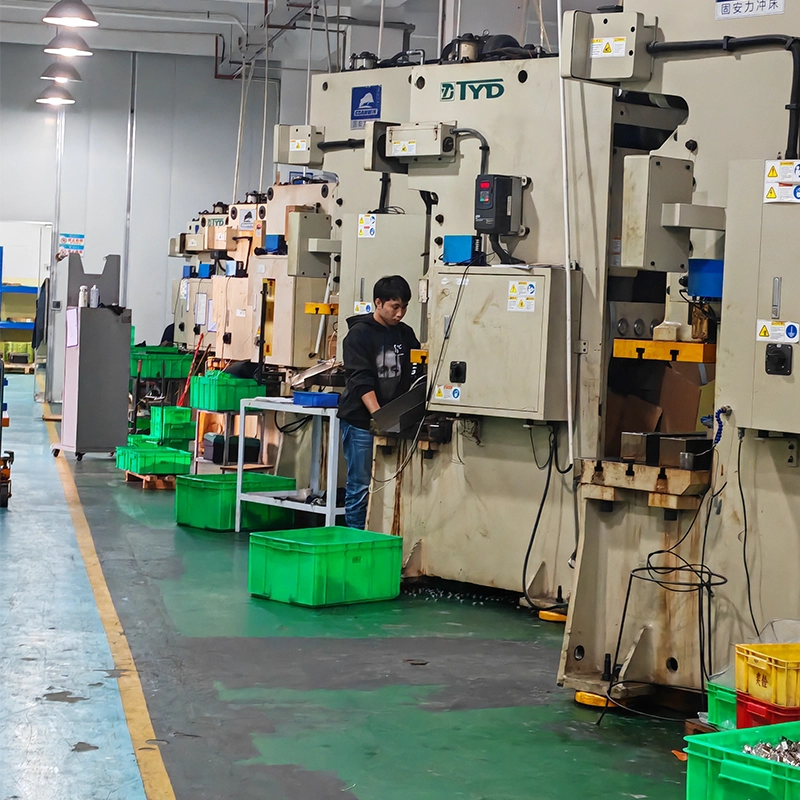
At Plantmetal, we provide complete support for customers who need dependable custom metal stamping parts with strong quality control and efficient delivery. Our manufacturing process is designed to reduce risk at every stage, from tooling validation to final packaging.
We work closely with customers to identify potential defects early, improve process stability, and deliver practical solutions that fit production goals. Whether you need prototype support, high-volume stamping, or customized packaging, our team offers flexible custom service and full one-stop service support.
As experienced suppliers to global buyers, we understand that quality is not just about appearance. It is about consistency, traceability, and performance across every shipment. That is why our factory focuses on process discipline, inspection, and production planning that supports long-term supply reliability.
Conclusion
The most common defects in high-volume manufacturing runs usually fall into three categories: forming defects, dimensional defects, and packaging defects. Each one can affect cost, delivery, and customer satisfaction if it is not controlled early.
The best way to prevent defects is through good tooling, stable processes, qualified material sourcing, and careful packaging control. For buyers looking for dependable results, working with an experienced manufacturer that offers complete one-stop service is the smartest way to reduce risk and improve overall production quality.
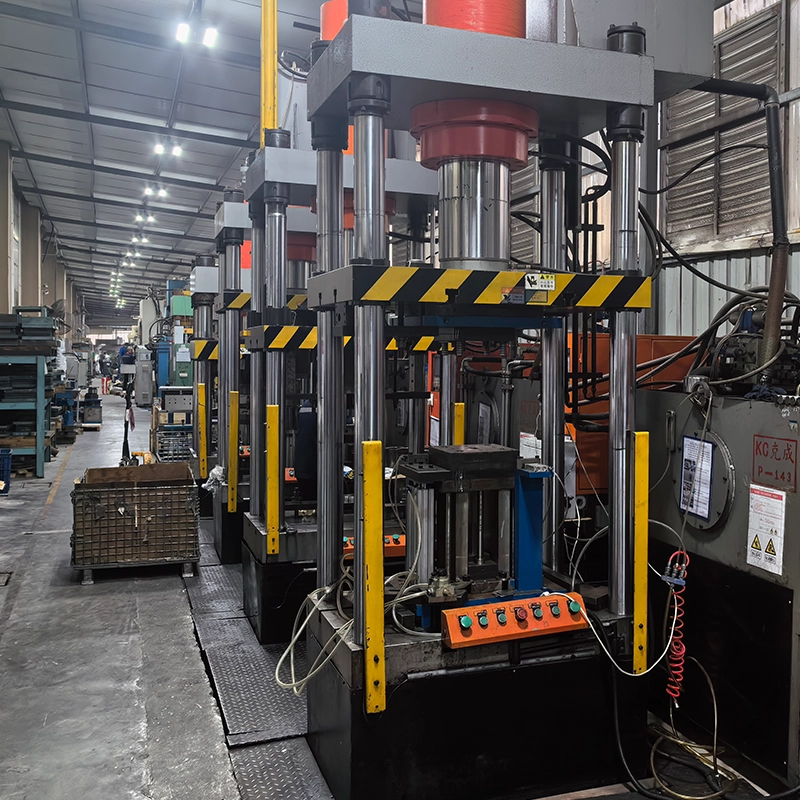
If you are developing a new stamped part or looking to improve an existing production line, Plantmetal would be glad to help. Share your drawings, target volume, and quality requirements with us, and we can review your project and recommend the right manufacturing approach for your needs.