
At Plantmetal, we work closely with global electronics brands, engineers, and procurement teams to develop custom metal heat sinks for demanding thermal management applications. As electronic devices become smaller yet more powerful, efficient heat dissipation has become a critical factor in product reliability and performance.
Understanding what materials heat sinks are made of—and why certain materials are preferred—helps manufacturers, designers, and suppliers select the most effective solution for their applications. In this guide, we’ll explore the most common materials used in heat sink manufacturing, compare their thermal performance, and explain how to choose the right material for your project.
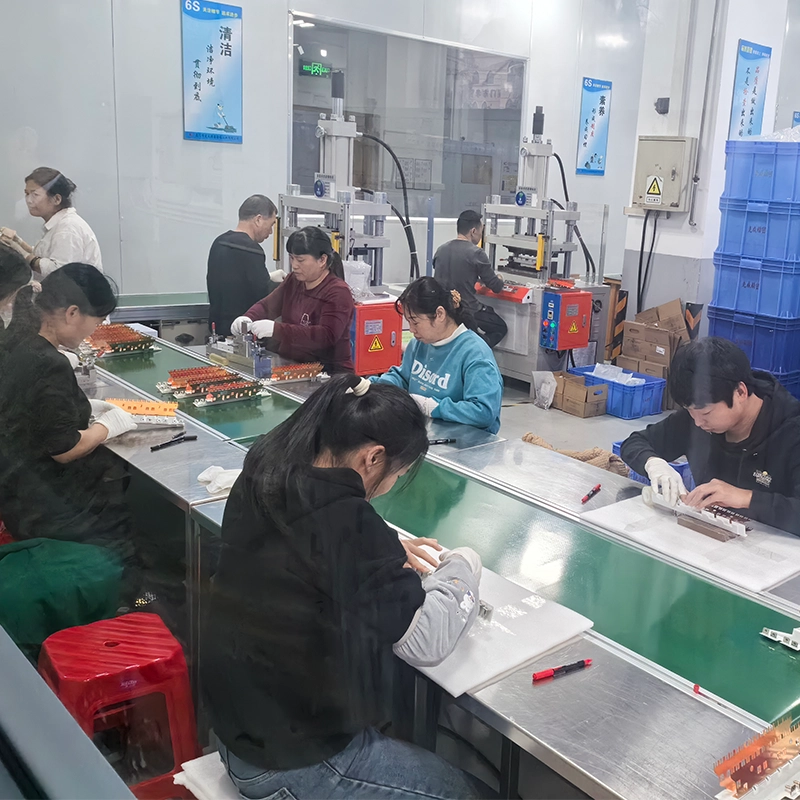
Understanding Heat Sinks and Their Importance
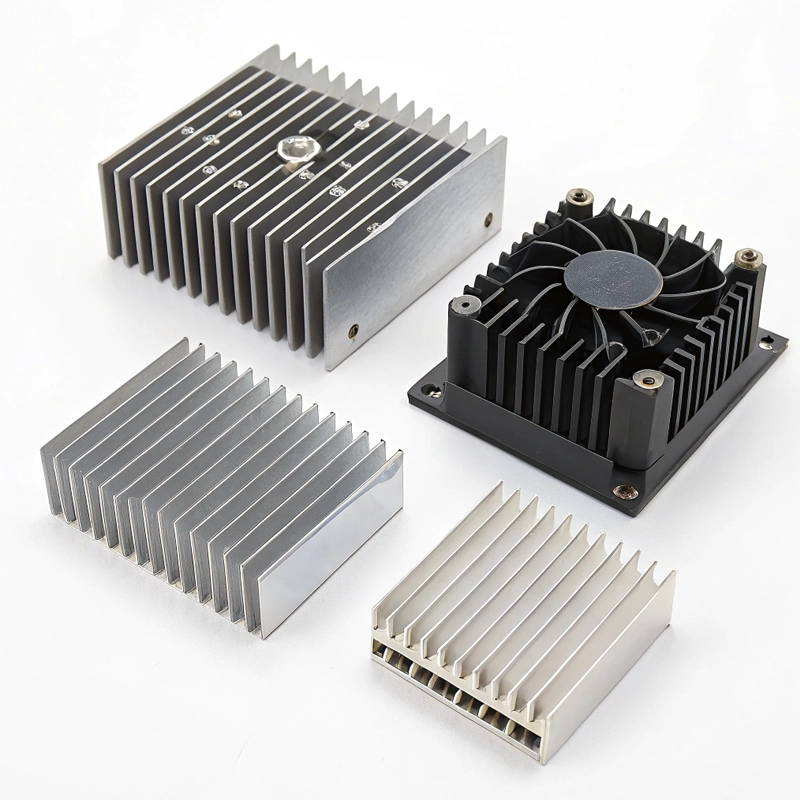
A heat sink is a passive thermal management component designed to dissipate heat generated by electronic devices. It works by transferring heat away from heat-generating components such as CPUs, GPUs, power transistors, and LED modules, and then dispersing that heat into the surrounding air.
Without proper heat dissipation, electronic components can overheat, leading to reduced efficiency, performance degradation, or even permanent damage.
Heat sinks achieve cooling through three main mechanisms:
- Conduction: transferring heat from the device to the heat sink material
- Convection: dissipating heat into the surrounding air
- Radiation: emitting heat energy from the surface
For effective thermal management, engineers must carefully select materials that provide high thermal conductivity while remaining cost-efficient for large-scale manufacturing.
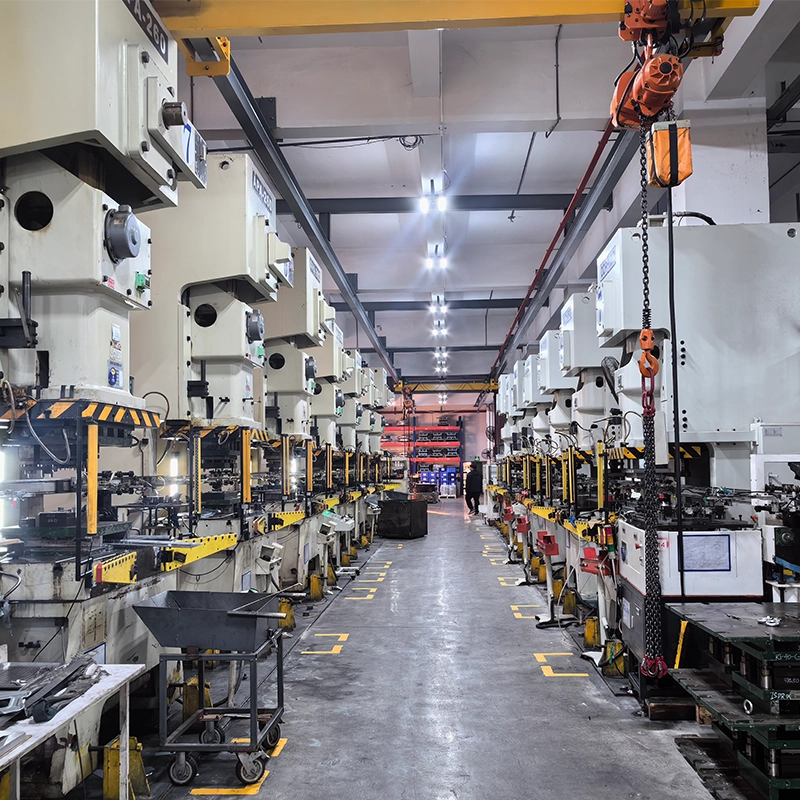
Common Materials Used in Heat Sink Manufacturing
Several metals and composite materials are used to produce heat sinks. The selection depends on thermal performance requirements, cost constraints, and product design.
The most commonly used materials include:
- Aluminum alloys
- Copper
- Graphite-based composites
- Aluminum-copper hybrid designs
Among these, aluminum and copper dominate the market because they offer excellent thermal conductivity and mechanical stability while remaining practical for large-scale production in a factory environment.
Aluminum Heat Sinks: The Popular Choice
Aluminum is the most widely used material for heat sinks in the electronics industry. It offers a strong balance of thermal performance, cost efficiency, and manufacturability.
For most consumer electronics and industrial applications, aluminum provides sufficient cooling performance while enabling economical production.
Properties of Aluminum Alloys
Several aluminum alloys are commonly used for heat sink production, such as 6061 and 6063 aluminum. These alloys offer several advantages:
- High thermal conductivity
- Lightweight structure
- Excellent corrosion resistance
- Easy machinability and extrusion capability
- Lower material cost compared to copper
Aluminum also supports various surface finishing techniques, including anodizing, which improves corrosion resistance and enhances heat radiation.
Because aluminum is easy to extrude into complex shapes, it allows manufacturers to design heat sinks with numerous fins and optimized airflow channels.
Applications of Aluminum Heat Sinks
Aluminum heat sinks are used in a wide range of industries, including:
- Consumer electronics
- LED lighting systems
- Power supplies
- Telecommunications equipment
- Automotive electronics
For companies seeking high quality custom metal heat sinks, aluminum is often the most practical and scalable material choice.
Copper Heat Sinks: Superior Thermal Performance
Copper offers significantly higher thermal conductivity than aluminum, making it ideal for applications requiring maximum heat dissipation.
Copper has a thermal conductivity of approximately 400 W/m·K, compared with aluminum’s around 205 W/m·K.
Because of this, copper heat sinks are commonly used in:
- High-performance computing systems
- Data center hardware
- Gaming processors and GPUs
- High-power semiconductor devices
However, copper also presents some manufacturing challenges.
It is heavier and more expensive than aluminum, and it is harder to machine or extrude. As a result, copper heat sinks are typically used only when superior thermal performance justifies the additional cost.
Many manufacturers combine copper bases with aluminum fins to achieve a balanced solution.
Advanced Materials and Composites in Heat Sink Design
In recent years, advanced materials have emerged to address increasingly demanding thermal requirements.
Examples include:
- Graphite heat spreaders
- Aluminum-graphite composites
- Vapor chamber heat sinks
- Copper-aluminum hybrid structures
These materials offer extremely efficient heat spreading, particularly for compact electronics such as smartphones and ultrathin laptops.
However, advanced materials often require specialized manufacturing processes and higher costs, which limits their widespread use in general consumer electronics.
What Material Are Heat Sinks Made Of: Comparing Performance and Cost
Selecting the right heat sink material involves balancing thermal performance, cost, weight, and manufacturing feasibility.
Thermal Efficiency Rankings
In terms of thermal conductivity, materials rank approximately as follows:
- Copper
- Aluminum
- Graphite composites
- Aluminum alloys with coatings
Copper provides the highest heat transfer efficiency, but aluminum remains the most widely used due to its excellent overall balance.
Price-to-Performance Ratio
From a cost perspective:
- Aluminum offers the best price-to-performance ratio
- Copper delivers superior performance but at a higher cost
- Advanced composites offer specialized benefits but are more expensive
For large-scale production, many suppliers recommend aluminum or hybrid aluminum-copper solutions.
Environmental Considerations
Sustainability has become an important factor in material selection.
Both aluminum and copper are highly recyclable metals, making them environmentally responsible choices for modern manufacturing.
Aluminum in particular has a strong recycling infrastructure, allowing manufacturers to reduce waste and lower their carbon footprint.
Conclusion
Heat sinks are essential components in modern electronic devices, ensuring reliable thermal management and long-term performance. The most common materials used in heat sink production are aluminum and copper, each offering unique advantages depending on the application.
Aluminum remains the industry standard because it provides an excellent balance of thermal conductivity, weight, cost efficiency, and manufacturing flexibility. Copper, on the other hand, is preferred for high-performance systems requiring maximum heat dissipation.
At Plantmetal, our factory specializes in the manufacturing of custom metal heat sinks for global clients. We provide high quality solutions tailored to the needs of electronics manufacturers, working closely with engineering teams and procurement departments to deliver reliable thermal management products.
If you’re searching for experienced suppliers for your next thermal management project, feel free to contact our team. Whether you need prototype development or large-scale production, we’re ready to help you design the optimal heat sink solution for your application.