
At Plantmetal, we help customers turn difficult product ideas into stable, repeatable metal components through precision deep drawing tooling. When a design requires depth, smooth walls, tight dimensional control, and high production consistency, deep drawing often becomes the best manufacturing path. For OEM buyers, engineers, and product developers, the real value of this process is not only shape creation, but the ability to produce drawn sheet metal parts that meet demanding performance and appearance requirements.
One-sentence definition: Deep drawing is a metal forming process that uses tooling and controlled force to pull flat sheet metal into a die cavity, creating deeper, seamless drawn parts with strong structural integrity.
What is Deep Drawing?
Deep drawing is a forming method used to transform flat metal blanks into hollow or cup-like shapes. Unlike cutting or welding methods, deep drawing reshapes the metal without removing material, which helps maintain strength and reduce waste. This is especially important when the final part must be lightweight, durable, and visually clean.
In deep drawing in sheet metal, the blank is pushed by a punch into a die cavity while a blank holder controls material flow. The metal stretches and flows into the cavity to create the final geometry. When the tooling is designed correctly, the finished part can have smooth walls, minimal seams, and excellent repeatability.
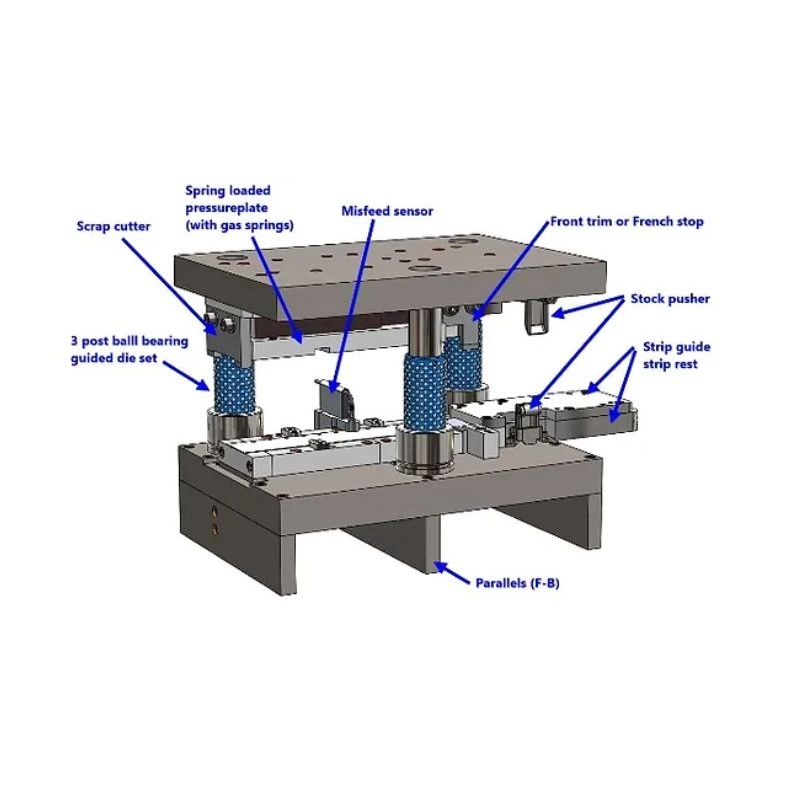
Where deep drawing is used
Deep drawing is common in:
- Automotive housings and structural components
- Kitchenware and cookware bodies
- Medical device enclosures
- Electrical and electronic metal shells
- Industrial containers and formed covers
- Packaging and aerosol-style metal bodies
For products that need depth and form stability, deep drawing is often preferred over welding, machining, or fabricating multiple joined pieces.
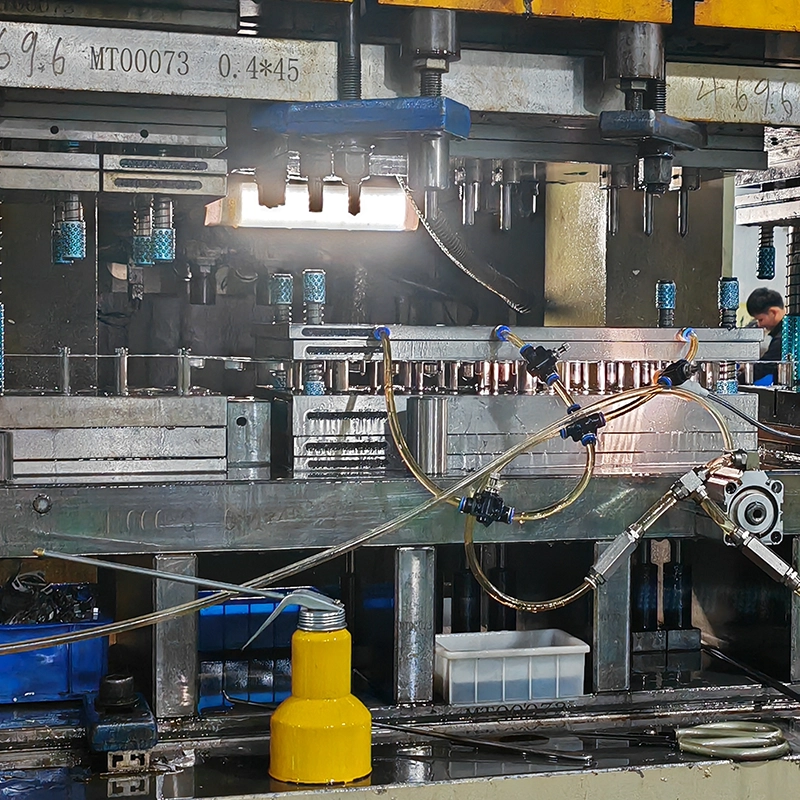
Why Choose Plantmetal for Deep Drawing Tooling?
At Plantmetal, we approach deep drawing as both an engineering discipline and a production solution. A good manufacturer does more than shape metal. It understands material behavior, tooling design, lubrication, thinning control, and part release. That is what allows us to deliver high quality output across large production runs.
Our advantages include:
- Strong OEM support from prototype to production
- Tooling design optimized for complex shapes
- Tight process control for consistent drawn geometry
- Material guidance for different sheet metals
- Scalable production for repeat orders
- Practical support for custom part development
For buyers sourcing from experienced suppliers, this matters because deep drawing is highly sensitive to design details. A small error in die radius, draw depth, or material selection can lead to tearing, wrinkling, or uneven walls. Our team works to prevent those problems early through DFM review and tooling planning.
The Deep Drawing Process: Step by Step
1. Material Selection
The process begins with selecting the right sheet metal. Common materials include stainless steel, aluminum, brass, copper, carbon steel, and coated steel. Each material behaves differently under forming pressure, so selection depends on strength, corrosion resistance, appearance, and drawability.
2. Blank Preparation
A flat sheet blank is cut to the correct size before forming begins. The blank diameter or outline must match the target part dimensions and expected material flow.
3. Tooling Setup
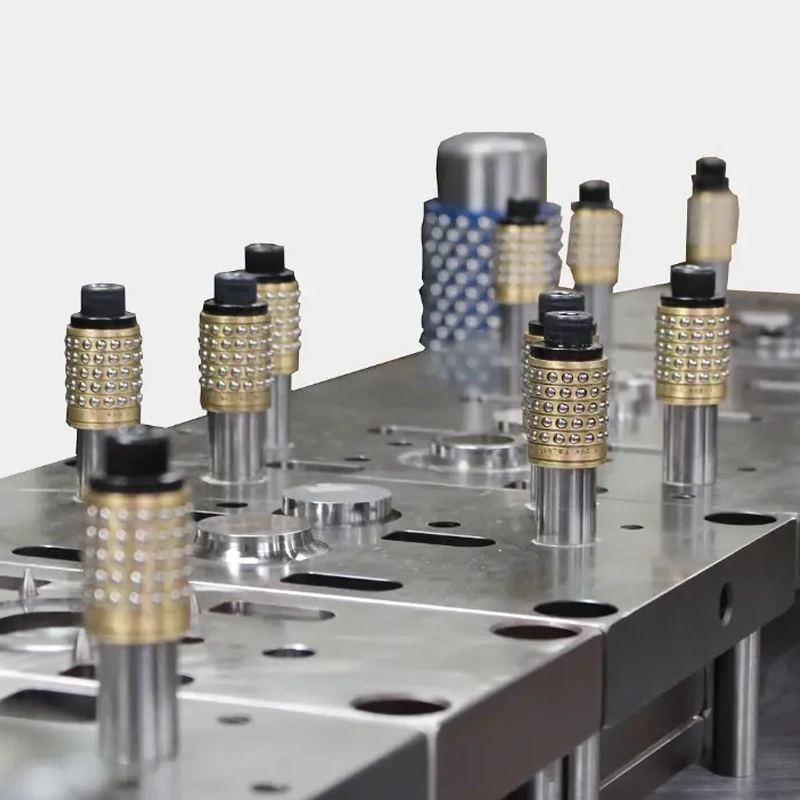
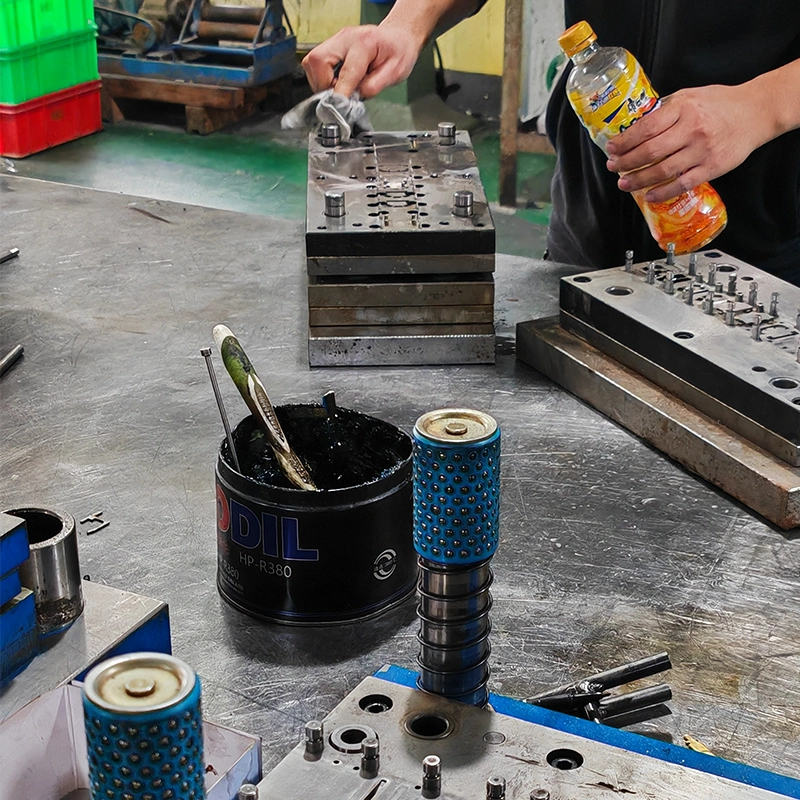
The punch, die, and blank holder are prepared as a matched set. This is where deep drawing tooling becomes critical. The die cavity shape, clearance, corner radius, and lubricant strategy all influence final quality.
4. Drawing Operation
The punch presses the blank into the die cavity. As the sheet metal moves, it stretches and flows into the new shape. Proper blank holder pressure helps control wrinkling while preventing tearing.
5. Trimming and Secondary Processing
After drawing, the part may need trimming, piercing, or finishing operations. In many cases, the drawn part is then ready for assembly, surface treatment, or packaging.
6. Inspection and Quality Control
Dimensional checks, surface inspection, and thickness evaluation help confirm that the part meets target specifications. This is especially important for OEM customers who need consistent performance across multiple production lots.
Applications of Deep Drawing Tooling
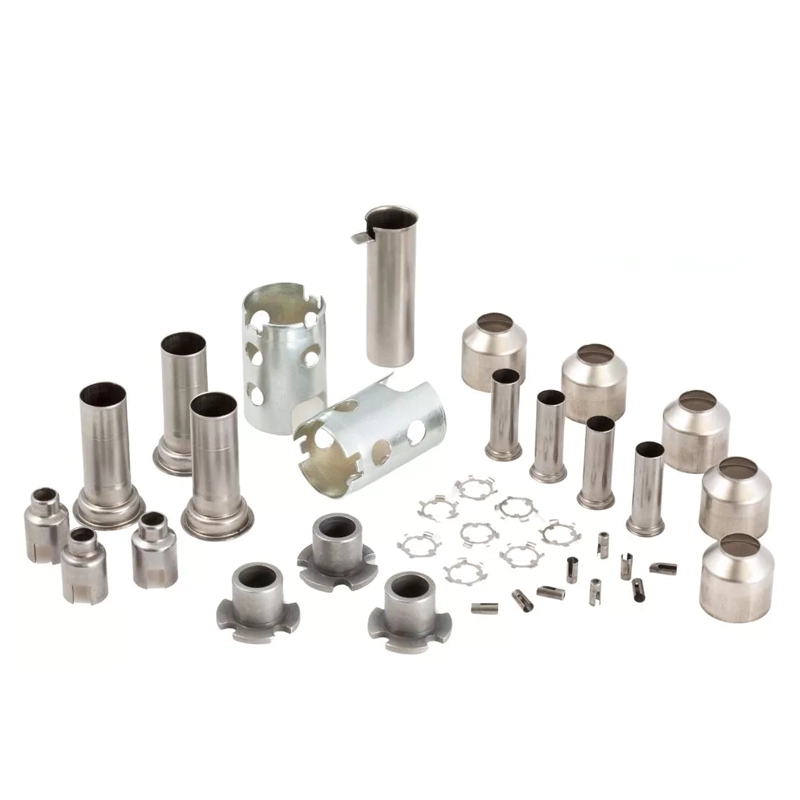
Deep drawing tooling is ideal when the part design demands depth, roundness, or seamless construction. Typical examples include:
- Cylindrical shells
- Deep cups and containers
- Metal housings
- Enclosures
- Caps and covers
- Precision industrial components
These drawn parts are widely used because they combine strength, smooth appearance, and efficient material use. For companies needing both aesthetics and structural reliability, deep drawing is often a smarter option than welding or multi-piece fabrication.
Why Deep Drawing is the Preferred Manufacturing Process
Deep drawing is often chosen because it offers a strong balance of cost, performance, and scalability.
Main benefits
- Produces seamless or near-seamless forms
- Reduces material waste compared with machining
- Supports high-volume repeat production
- Improves part strength through work hardening
- Creates cleaner surfaces and better cosmetic appearance
Limitations and trade-offs
- Requires precise tooling and setup
- Not ideal for every shape or alloy
- Can cause thinning if not engineered correctly
- Higher upfront tooling investment than simpler processes
Compared with stamping, machining, or welding, deep drawing is best suited for parts that need shape depth and uniform wall formation. Compared with casting, it often delivers better surface consistency and less porosity risk. That is why many manufacturers use it for both functional and cosmetic metal parts.
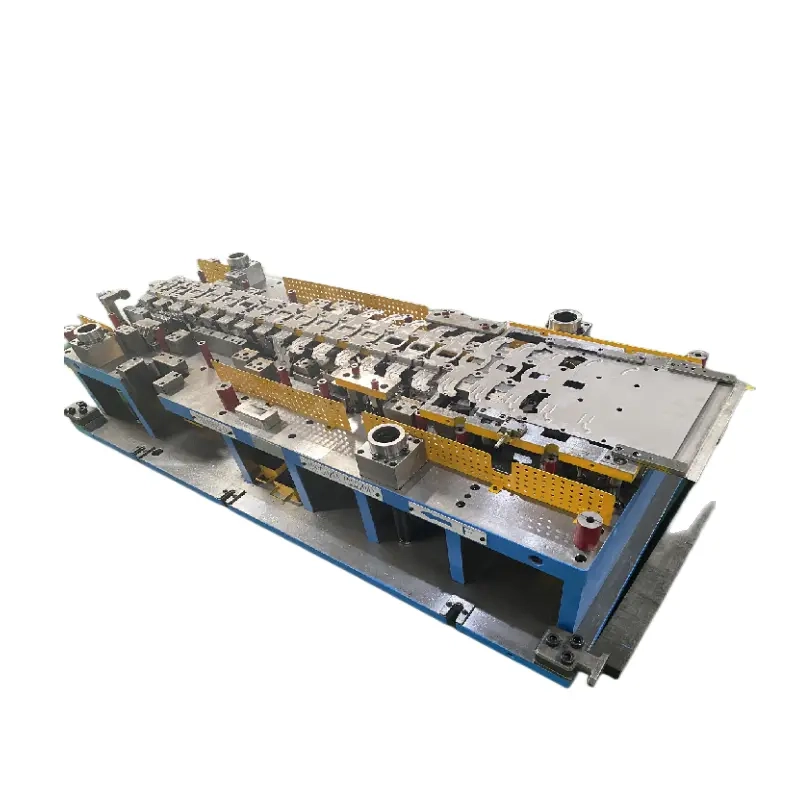
Deep Drawing vs. Similar Manufacturing Concepts
Deep Drawing vs. Metal Stamping
Metal stamping is generally used for cutting, bending, punching, or shallow forming. Deep drawing goes further by pulling metal into a deeper cavity. If the part must have significant depth, deep drawing is usually the better choice.
Deep Drawing vs. Spinning
Spinning is suitable for rotational shapes and lower volumes. Deep drawing is stronger for repeatable, higher-volume production of consistent formed parts.
Deep Drawing vs. Welding Assembly
Welded assemblies combine multiple pieces, which can increase labor and introduce seams. Deep drawing creates a single formed part, which improves strength and appearance.
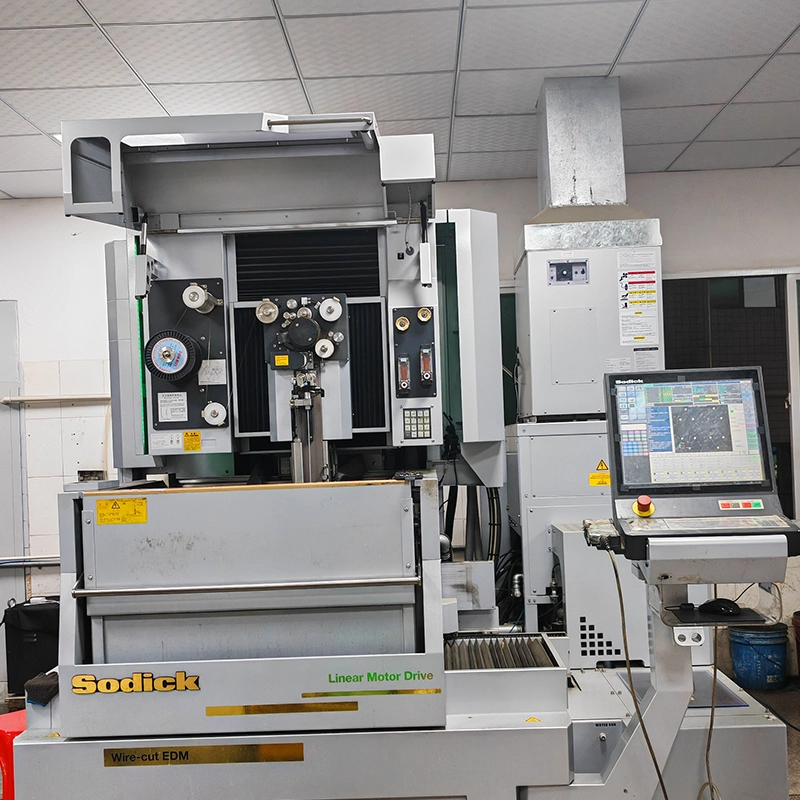
Purchasing Advice for B2B Buyers
If you are sourcing deep drawing tooling or drawn sheet metal parts, ask these questions before placing an order:
- Is the part geometry suitable for deep drawing?
- What material grade will be used?
- How many drawing stages are required?
- Can the supplier control thinning and wrinkling?
- What is the tooling lead time?
- Does the manufacturer provide OEM service and engineering support?
- How will the final part be inspected and packaged?
A reliable supplier should be able to explain material limits, draw depth, tooling life, and expected tolerances. For complex projects, choose a partner that can handle design review, tooling, sampling, and mass production in one workflow.
Plantmetal’s Commitment to Innovation
At Plantmetal, we continue to improve our deep drawing capabilities through better tooling design, process control, and customer-focused engineering support. Our goal is to help customers develop high quality metal components that are practical to manufacture and ready for production scale.
Whether you need a simple cup shape or a more challenging formed geometry, our team can help evaluate feasibility and recommend the right approach. We understand that every project has its own cost target, performance requirement, and lead time expectation, which is why we tailor our OEM service to each customer’s application.
Conclusion
Deep drawing tooling is one of the most effective ways to create custom solutions for complex metal designs. It is especially valuable when a part needs depth, strength, smooth surfaces, and efficient repeatability. For many industrial and commercial applications, this process offers a better balance of performance and production efficiency than alternative methods.
At Plantmetal, we support customers with precision deep drawing, tooling development, and full OEM service for complex metal parts. As an experienced manufacturer, we work closely with buyers and suppliers who need reliable solutions for demanding applications. If you are developing a new formed metal part or comparing manufacturing options, share your drawing, material, and volume requirements with us. We would be glad to help you find the best path forward.